

Ephesos Trite - Phanes
Description:
Trite Trite - Phanes coin from Ephesos. Design, history & value.
[SEO TITLE]: Discover the Ancient Ephesos Trite - Phanes Coin [SEO DESCRIPTION]: Explore the unique Ephesos Trite - Phanes coin in electrum. [KEYWORDS]: Ephesos coin, Trite Phanes, ancient currency, electrum coin, Greek numismatics
Discover the Ancient Ephesos Trite - Phanes Coin
Introduction
The Ephesos Trite - Phanes coin is a remarkable artifact from ancient Greece, offering a glimpse into the economic and cultural dynamics of its time. Struck in electrum, a naturally occurring alloy of gold and silver, this coin exemplifies the ingenuity and artistic sophistication of early Greek numismatics. The coin's unique features and historical background make it a prized possession for collectors and historians alike, embodying the rich tradition of Greek coinage.
Historical Background
Issued by the city of Ephesos, an influential center in ancient Ionia, the Trite - Phanes coin is steeped in history. Ephesos, known for its strategic location and as the site of the Temple of Artemis, one of the Seven Wonders of the Ancient World, played a crucial role in the economic and cultural exchanges of the region. The Trite - Phanes coin is believed to have been minted around the 6th century BCE, a period marked by significant developments in trade and commerce. The issuing authority of Ephesos signifies the city's autonomy and its role as a pivotal player in the ancient world.
Coin Images
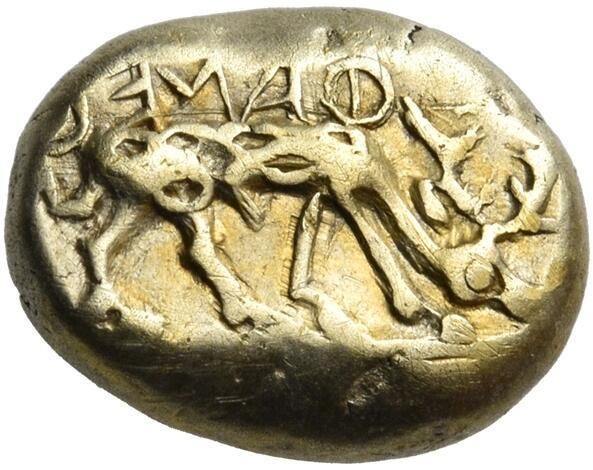 Obverse
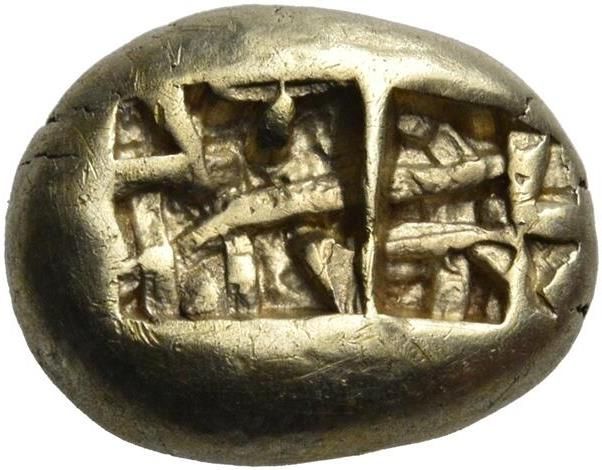 Reverse
Design Features
Obverse Design: The obverse of the Trite - Phanes coin features a beautifully crafted image of a spotted stag walking to the right, with its head lowered. This design not only showcases the artistic talent of ancient engravers but also symbolizes the connection between Ephesos and the natural world. Accompanying the stag is a retrograde legend, a common practice in early coinage that adds to the coin's historical intrigue. Reverse Design: The reverse side presents two irregular square incuse punches, each adorned with linear cross-hatch patterns. This design choice reflects early minting techniques and the transition from barter to a coin-based economy, highlighting the innovative spirit of ancient Greek societies.
Technical Specifications
The Ephesos Trite - Phanes coin is characterized by its distinct technical attributes:
- Composition: Electrum, a blend of gold and silver, providing unique luster and durability.
- Weight: 4.67 grams, typical for trite denominations, balancing portability and value.
- Diameter: 14.00 mm, compact yet substantial, ideal for trade and exchange. These specifications underline the practicality and aesthetic appeal that ancient coins offered to their users.
Collectible Value
The Trite - Phanes coin holds significant value in the numismatic community, not only for its historical importance but also for its rarity and condition. Coins from Ephesos, particularly from the early periods, are highly sought after by collectors due to their limited availability and the insight they provide into ancient economic systems. The electrum composition further enhances its collectible appeal, as it represents one of the earliest uses of this alloy in coinage.
Conclusion
The Ephesos Trite - Phanes coin is more than just a piece of metal; it is a testament to the rich history and cultural heritage of ancient Greece. Its intricate design and historical context offer valuable insights into the economic and artistic achievements of the time. For collectors and enthusiasts, this coin is not only a prized addition but also a bridge to understanding the past. As we continue to explore and appreciate such artifacts, the Trite - Phanes remains a symbol of the enduring legacy of ancient Greek civilization.

ScanMyCoin: AI Coin Recognition
Professional AI coin recognition and collection management platform. Identify, learn, and track your coin collection with advanced AI technology and a vast.