

England England ½ guinea, 1702-1705
Description:
½ guinea England ½ guinea, 1702-1705 coin from England. Design, history & value.
Introduction
The England ½ guinea coin minted between 1702 and 1705 under the reign of Queen Anne holds a significant place in numismatic history. This exquisite gold coin not only showcases the artistic prowess of the time but also serves as a tangible link to England's rich past.
Historical Background
Issued during the reign of Queen Anne, the ½ guinea coin was a part of the currency system of England. Queen Anne, known for her patronage of the arts, oversaw a period of cultural and economic growth, making coins from her reign highly sought after by collectors.
Coin Images
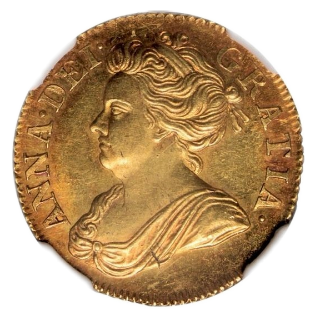 Obverse
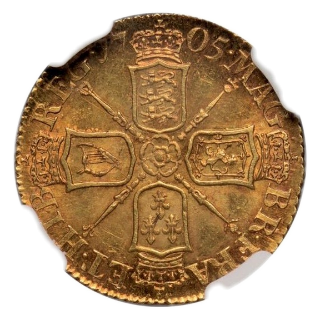 Reverse
Design Features
The obverse of the coin features the inscription "ANNA DEI GRATIA," indicating "Anne by the Grace of God." The reverse bears the inscription "MAG BRI FR ET HIB REG," signifying "Queen of Great Britain, France, and Ireland," highlighting the expansive reach of the British Empire during that era.
Technical Specifications
This ½ guinea coin weighs 4.20 grams with a diameter of 20.00mm. Made of gold with a fineness of 0.917, it exemplifies the quality and craftsmanship of the minting process during the early 18th century.
Collectible Value
The England ½ guinea coin from Queen Anne's reign holds considerable value among collectors due to its historical significance and rarity. Its limited mintage and the allure of owning a piece of numismatic history contribute to its desirability. The market value of these coins can vary based on their condition and provenance, making them a prized addition to any collection.
Conclusion
In conclusion, the England ½ guinea coin from 1702-1705 is not just a piece of currency but a symbol of England's past glory and economic stability during Queen Anne's rule. Its intricate design, historical significance, and collectible value make it a prized possession for numismatists and history enthusiasts alike. Acquiring this coin not only adds a valuable asset to a collection but also a piece of history that transcends time.

ScanMyCoin: AI Coin Recognition
Professional AI coin recognition and collection management platform. Identify, learn, and track your coin collection with advanced AI technology and a vast.