
Egypt Egypt ½ millieme, 1924
Description:
½ millieme Egypt ½ millieme, 1924 coin from Egypt. Design, history & value.
Introduction
The Egypt ½ millieme coin of 1924 holds a significant place in the numismatic history of Egypt. This bronze coin, minted during the Kingdom of Egypt era, reflects the country's rich heritage and cultural identity.
Historical Background
Issued by Egypt in 1924, this coin belongs to the Kingdom of Egypt period, which lasted from 1922 to 1952. This period marked Egypt's transition from a British protectorate to nominal independence under King Fuad I, as reflected in the coin's inscriptions.
Coin Images
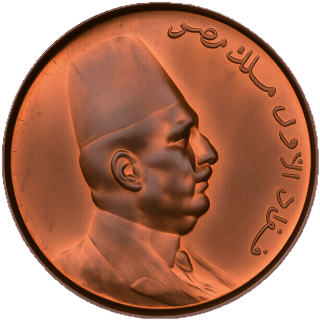 Obverse
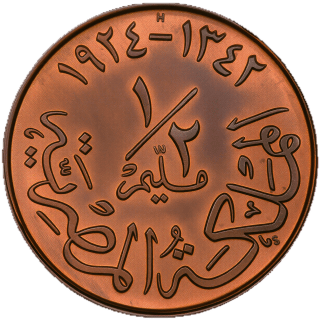 Reverse
Design Features
The obverse of the coin features the inscription "فؤاد الاول ملك مصر" (Fuad I, King of Egypt) around the bust of King Fuad I facing right. The reverse displays "المملكة المصرية" (Kingdom of Egypt) and "مليم ١/٢" (½ millieme) within a decorative border.
Technical Specifications
This ½ millieme coin weighs 3.30 grams and has a diameter of 20.00mm. Crafted from bronze, it showcases intricate details and craftsmanship typical of coins from this era.
Collectible Value
The Egypt ½ millieme coin of 1924 is highly sought after by collectors due to its historical significance and limited mintage. Its market value varies based on factors such as condition, rarity, and demand in the numismatic community. Collectors often cherish this coin for its connection to Egypt's past and its unique design elements.
Conclusion
In conclusion, the Egypt ½ millieme coin of 1924 is not just a piece of currency but a tangible link to Egypt's history and heritage. Its intricate design, historical context, and collectible value make it a prized possession for numismatists and history enthusiasts alike. Owning this coin allows one to hold a piece of Egypt's past and appreciate the artistry and craftsmanship of a bygone era.

ScanMyCoin: AI Coin Recognition
Professional AI coin recognition and collection management platform. Identify, learn, and track your coin collection with advanced AI technology and a vast.