

Egypt Egypt 5 qirsh, 1223 (1808)
Description:
5 qirsh Egypt 5 qirsh, 1223 (1808) coin from Egypt. Design, history & value.
Title: Egypt 5 Qirsh 1223 (1808) Silver Coin - Sultan Mahmud II Era Description: Explore the Egypt 5 qirsh silver coin from 1223 AH (1808 AD) featuring Sultan Mahmud II. Keywords: Egypt coin, 5 qirsh, 1223, Sultan Mahmud II, silver coin, Egyptian currency, numismatics Main Content:
Introduction
The Egypt 5 qirsh coin minted in 1223 AH (1808 AD) during the reign of Sultan Mahmud II holds a significant place in numismatic history. This silver coin showcases intricate designs and historical importance that make it a prized possession for collectors.
Historical Background
Issued by Egypt under the authority of Sultan Mahmud II, this coin reflects the political and economic landscape of the early 19th century. During Mahmud II's reign, Egypt witnessed reforms and developments that impacted the coinage system, making this piece a reflection of that era.
Coin Images
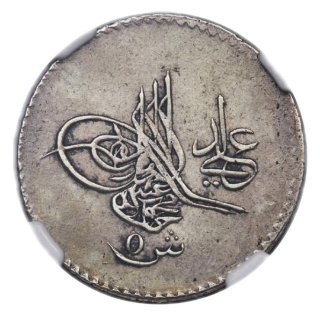 Obverse
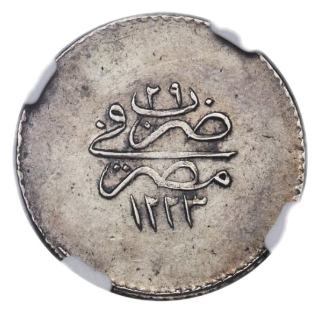 Reverse
Design Features
The obverse of the coin displays the Arabic numeral "٥" representing the denomination of 5 qirsh, surrounded by intricate Arabic calligraphy. On the reverse side, the year of minting "١٢٢٣" is inscribed along with the phrase "ضرب في مصر" (Struck in Egypt), emphasizing its origin.
Technical Specifications
This silver coin weighs 7.00g with a diameter of 24.00mm, featuring a composition of 0.833 silver. The coin's specifications align with the standards of the time, showcasing the craftsmanship and precision of Egyptian minting practices during the Sultan Mahmud II era.
Collectible Value
The Egypt 5 qirsh coin from 1223 holds both historical and collectible significance. Its association with Sultan Mahmud II's reign adds to its desirability among numismatists and history enthusiasts. Due to its limited mintage and historical context, this coin holds a notable market value and rarity level, making it a prized addition to any coin collection.
Conclusion
In conclusion, the Egypt 5 qirsh silver coin minted in 1223 under Sultan Mahmud II stands as a testament to Egypt's numismatic heritage. Its intricate design, historical importance, and collectible value make it a cherished piece for collectors and a valuable artifact preserving a specific period in Egyptian history. Acquiring this coin not only adds to a collection's value but also connects enthusiasts to a bygone era of coinage and culture.

ScanMyCoin: AI Coin Recognition
Professional AI coin recognition and collection management platform. Identify, learn, and track your coin collection with advanced AI technology and a vast.