

Egypt Egypt 5 milliemes, 1916-1917
Description:
5 milliemes Egypt 5 milliemes, 1916-1917 coin from Egypt. Design, history & value.
1. Introduction
The Egypt 5 milliemes coin, minted in 1916-1917 during the Sultanate of Egypt era, holds significant historical and numismatic value. This copper-nickel coin offers a fascinating glimpse into Egypt's numismatic heritage.
2. Historical Background
Issued during a critical period in Egypt's history, these coins were minted under the authority of Egypt during the rule of Sultan Hussein Kamel. The denomination of 5 milliemes was essential for everyday transactions, reflecting the economic landscape of the time.
3. Design Features
The obverse of the coin features the inscription "حسين كامل" (Hussein Kamel) and "سلطان مصر" (Sultan of Egypt), paying homage to the reigning monarch. On the reverse side, the denomination "5" and "FIVE MILLIEMES" are inscribed in Arabic and English, along with the value "خمسة مليمات" in Arabic.
4. Technical Specifications
This coin weighs 4.60 grams with a diameter of 23.15mm, made of copper-nickel. The intricate design details and precise specifications make it a sought-after piece among collectors and enthusiasts.
5. Collectible Value
Due to its historical significance and limited mintage years, the Egypt 5 milliemes coin is highly collectible. Its market value varies based on factors such as condition, rarity, and demand. Collectors often seek this coin to add a piece of Egyptian numismatic history to their collection.
6. Conclusion
In conclusion, the Egypt 5 milliemes 1916-1917 coin stands as a remarkable numismatic artifact from the Sultanate of Egypt period. Its intricate design, historical significance, and collectible value make it a prized possession for coin enthusiasts and collectors alike. Owning this coin not only adds diversity to a collection but also preserves a piece of Egypt's rich numismatic heritage. By exploring the unique features and historical background of the Egypt 5 milliemes 1916-1917 coin, collectors can appreciate its value and significance within the world of numismatics.
Coin Images
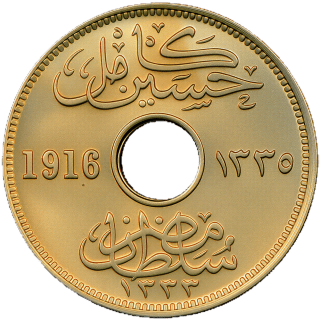 Obverse
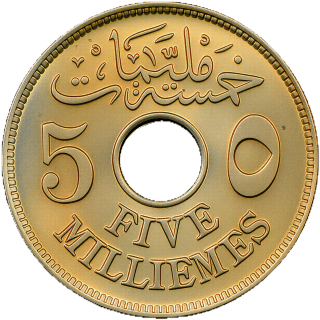 Reverse

ScanMyCoin: AI Coin Recognition
Professional AI coin recognition and collection management platform. Identify, learn, and track your coin collection with advanced AI technology and a vast.