

Egypt Egypt 50 qirsh, 1277 (1861)
Description:
50 qirsh Egypt 50 qirsh, 1277 (1861) coin from Egypt. Design, history & value.
Introduction
The Egypt 50 qirsh gold coin minted in 1277 (1861) under the reign of Sultan Abdülaziz is a remarkable piece that holds historical significance and numismatic value. This coin not only serves as a testament to Egypt's rich history but also showcases the artistic and technical prowess of the era.
Historical Background
During Sultan Abdülaziz's reign from 1861 to 1875, Egypt witnessed a period of significant transformation and modernization. The introduction of new coinage, including the 50 qirsh gold coin, reflected the country's evolving monetary system and economic stability under his rule.
Coin Images
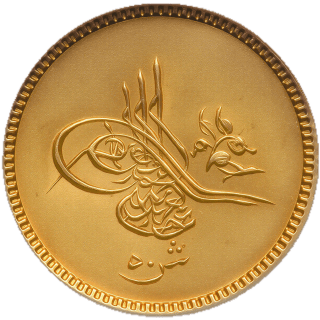 Obverse
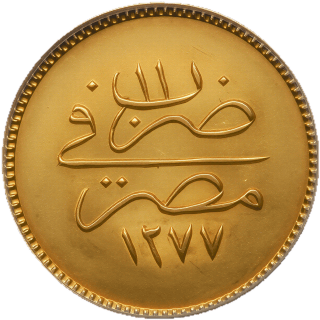 Reverse
Design Features
The obverse of the coin features the denomination "٥٠ ش" in Arabic script, surrounded by intricate patterns symbolizing prosperity and wealth. On the reverse, "١٢٧٧ / ضرب / في / مصر" denotes the minting year 1277 in the Islamic calendar and the coin's origin in Egypt.
Technical Specifications
This gold coin weighs 4.27 grams with a diameter of 18.00mm, crafted from gold with a purity of 0.875. The precise specifications and fine craftsmanship make it a coveted piece among collectors and enthusiasts.
Collectible Value
The Egypt 50 qirsh gold coin from 1277 (1861) holds a significant place in numismatics due to its rarity and historical context. Collectors value it not only for its intrinsic gold content but also for its historical importance, making it a prized addition to any collection.
Conclusion
In conclusion, the Egypt 50 qirsh gold coin from 1277 (1861) is a treasure trove of history and artistry. Its depiction of Sultan Abdülaziz's era and the intricate designs make it a valuable piece for both collectors and history enthusiasts alike. Owning this coin is not just owning a piece of currency but a slice of Egypt's rich numismatic heritage.

ScanMyCoin: AI Coin Recognition
Professional AI coin recognition and collection management platform. Identify, learn, and track your coin collection with advanced AI technology and a vast.