

Egypt Egypt 10 para, 1293 (1876)
Posted on: December 2, 2025
keywords: Egypt, Egypt 10 para, 1293 (1876), 10 para, coin collecting, numismatics, Egypt
Description:
10 para Egypt 10 para, 1293 (1876) coin from Egypt. Design, history & value.
- Introduction: The Egypt 10 para from 1293 AH (1876 AD) is a silver coin minted during the reign of Sultan Abdul Hamid II. Its historical significance and unique design make it a sought-after piece among collectors and enthusiasts.
- Historical Background: Issued by Egypt during the Ottoman Empire era, this coin reflects the political and cultural ties of the region during that period. Sultan Abdul Hamid II's reign marked a time of transition and modernization in Egypt, making coins from this era particularly intriguing to collectors.
- Design Features: The obverse of the coin features the Arabic numeral "١٠ پ" denoting the denomination. On the reverse, the inscription "١٢٩٣ / ضرب في مصر" indicates the year 1293 AH and the minting location in Egypt, showcasing the local production of the coin.
- Technical Specifications: This 10 para coin weighs 0.32g with a diameter of 14.00mm. Made of silver with a purity of 0.835, it exemplifies the standard specifications for coins of its time, adding to its numismatic value.
- Collectible Value: Due to its historical context and limited mintage, the Egypt 10 para coin holds significant collectible value. Its association with Sultan Abdul Hamid II and the intricate Arabic inscriptions make it a prized addition to any coin collection. The rarity of this coin in good condition enhances its market value among numismatists.
- Conclusion: In conclusion, the Egypt 10 para coin from 1876 stands as a remarkable numismatic piece that bridges the history of Egypt and the Ottoman Empire. Its intricate design, historical significance, and collectible rarity make it a coveted item for both experienced collectors and history enthusiasts alike. By exploring the unique features and historical context of this coin, one can truly appreciate its value within the realm of numismatics.
Coin Images
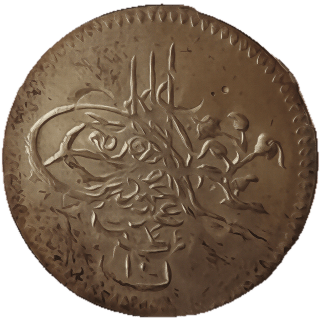 Obverse
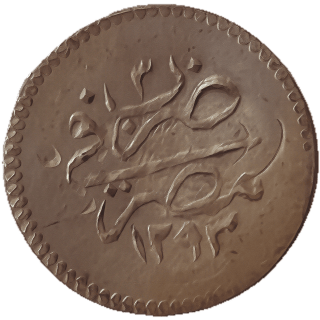 Reverse

ScanMyCoin: AI Coin Recognition
Professional AI coin recognition and collection management platform. Identify, learn, and track your coin collection with advanced AI technology and a vast.