

Dutch Republic Dutch Republic 1 gulden, 1705-1721
Description:
1 gulden Dutch Republic 1 gulden, 1705-1721 coin from Dutch Republic. Design, history & value.
Introduction
The Dutch Republic 1 gulden coin minted between 1705 and 1721 is a numismatic treasure that encapsulates the economic and cultural prowess of the Dutch Republic during the early 18th century. This silver coin holds historical significance and artistic beauty that make it a prized possession for collectors worldwide.
Historical Background
Issued by the Dutch Republic, particularly in the region of Friesland between 1702 and 1795, the 1 gulden coin played a crucial role in facilitating trade and commerce during a time when the Dutch Republic was a major economic power in Europe. The coin symbolizes the prosperity and stability of the Dutch economy during this period.
Coin Images
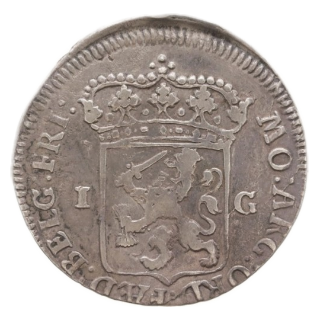 Obverse
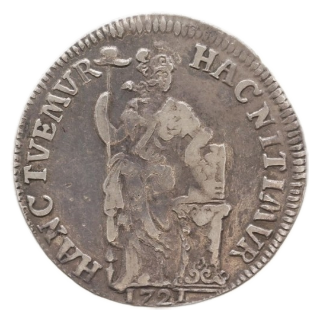 Reverse
Design Features
The obverse of the Dutch Republic 1 gulden coin features the inscription "MO ARG ORD FAED BELG FRI" surrounded by ornate decorations, representing the authority and unity of the Dutch Republic. On the reverse side, the coin displays the motto "HAC NITIMVR HANC TVEMVR," emphasizing the importance of protecting and preserving the Dutch Republic.
Technical Specifications
This silver coin weighs 10.61g with a diameter of 32.00mm, making it substantial in size and weight. Composed of 92% silver, the coin boasts a high silver content that adds to its intrinsic value and appeal to collectors interested in historical silver coins.
Collectible Value
The Dutch Republic 1 gulden coin from 1705-1721 holds significant collectible value due to its historical importance, intricate design, and limited mintage period. Collectors seek out this coin for its rarity and connection to Dutch numismatic history. Depending on the coin's condition and rarity, its market value can vary, with well-preserved specimens commanding higher prices at auctions and numismatic events.
Conclusion
In conclusion, the Dutch Republic 1 gulden silver coin minted between 1705 and 1721 stands as a testament to the economic prosperity and cultural richness of the Dutch Republic during the early 18th century. With its historical significance, intricate design, and collectible value, this coin remains a prized possession for numismatists and history enthusiasts alike, preserving a piece of Dutch numismatic heritage for generations to come.

ScanMyCoin: AI Coin Recognition
Professional AI coin recognition and collection management platform. Identify, learn, and track your coin collection with advanced AI technology and a vast.