

Demerara and Essequibo Demerara and Essequibo 1 gulden, 1816
Posted on: December 2, 2025
keywords: Demerara and Essequibo, Demerara and Essequibo 1 gulden, 1816, 1 gulden, coin collecting, numismatics, Demerara and Essequibo
Description:
1 gulden Demerara and Essequibo 1 gulden, 1816 coin from Demerara and Essequibo. Design, history & value.
- Introduction
The Demerara and Essequibo 1 gulden coin of 1816 holds a special place in the numismatic world as a rare piece from the British colony era. Its historical importance and unique design make it a sought-after collectible for enthusiasts and historians alike. - Historical Background
Issued by Demerara and Essequibo, British colonies from 1808 to 1835, this coin reflects the economic and political landscape of the time. The union of these territories under British rule influenced their coinage, with the 1 gulden serving as a testament to their colonial history. - Design Features
The obverse of the coin features the inscription "GEORGIUS III D:G:BRITANNIARUM REX," portraying King George III. On the reverse, the denomination "1" and the year "1816" are accompanied by "UNITED COLONY OF DEMERARY & ESSEQUIBO," highlighting the coin's origin. - Technical Specifications
This coin, made of silver with a composition of 0.817, weighs 8.00g and has a diameter of 25.00mm. These specifications contribute to its overall appeal and authenticity among collectors and researchers. - Collectible Value
Due to its limited mintage and historical significance, the Demerara and Essequibo 1 gulden coin of 1816 holds substantial collectible value. Its rarity and connection to a bygone era make it a prized possession for those interested in British colonial coinage. - Conclusion
In conclusion, the Demerara and Essequibo 1 gulden coin of 1816 stands as a tangible piece of history, encapsulating the colonial legacy of the British Empire. Its intricate design, coupled with its scarcity, elevates its desirability among numismatists and history enthusiasts, cementing its place as a cherished artifact from a bygone era.
Coin Images
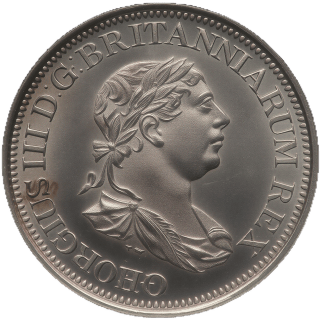 Obverse
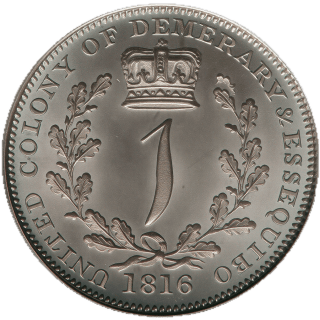 Reverse

ScanMyCoin: AI Coin Recognition
Professional AI coin recognition and collection management platform. Identify, learn, and track your coin collection with advanced AI technology and a vast.