

Colombia Colombia 5 pesos (papel moneda), 1907-1914
Description:
5 pesos (papel moneda) Colombia 5 pesos (papel moneda), 1907-1914 coin from Colombia. Design, history & value.
Introduction
The Colombia 5 pesos papel moneda coin minted between 1907 and 1914 holds a significant place in numismatic history. This copper-nickel coin not only serves as a testament to Colombia's past but also offers collectors a piece of the nation's heritage.
Historical Background
Issued by the Republica de Colombia between 1907 and 1914, the 5 pesos papel moneda coin played a crucial role in the country's economic landscape during that period. This coin symbolizes Colombia's journey towards modernization and economic stability.
Coin Images
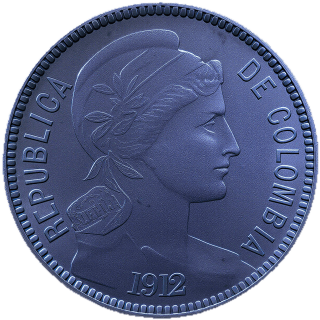 Obverse
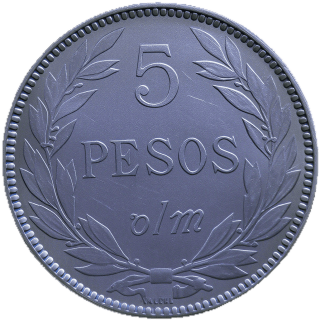 Reverse
Design Features
The obverse of the coin features the inscription "PAZ" above "REPUBLICA DE COLOMBIA," representing peace and the Colombian Republic. On the reverse side, the denomination "5 PESOS p/m" is prominently displayed, indicating the coin's value. The simplistic yet elegant design of this coin reflects the ideals of the era.
Technical Specifications
This coin weighs 4.00g and has a diameter of 21.00mm, making it a compact and easily recognizable piece. Crafted from copper-nickel, it showcases a durable composition that has withstood the test of time. The technical specifications of this coin contribute to its appeal among collectors.
Collectible Value
The Colombia 5 pesos papel moneda coin holds both historical and collectible significance. With its limited mintage and unique design, this coin appeals to numismatists seeking rare and valuable pieces. Collectors value this coin for its historical context and aesthetic appeal, making it a prized addition to any collection.
Conclusion
In conclusion, the Colombia 5 pesos papel moneda coin from 1907-1914 is a remarkable numismatic specimen that encapsulates a pivotal period in Colombian history. Its intricate design, historical significance, and collectible value make it a coveted piece for both seasoned collectors and enthusiasts. By owning this coin, one not only acquires a tangible piece of history but also a valuable asset with a rich story to tell.

ScanMyCoin: AI Coin Recognition
Professional AI coin recognition and collection management platform. Identify, learn, and track your coin collection with advanced AI technology and a vast.