

Cologne Cologne ⅙ thaler, 1715
Description:
⅙ thaler Cologne ⅙ thaler, 1715 coin from Cologne. Design, history & value.
Introduction
The Cologne ⅙ thaler 1715 coin is a fascinating numismatic treasure from the Archbishopric of Cologne. This silver coin, minted in 1715, carries significant historical and artistic value, making it a prized possession for collectors worldwide.
Historical Background
Issued by the Archbishopric of Cologne between the years 1693 and 1777, this coin reflects a time of religious and political influence in the region. The Archbishopric of Cologne, a significant ecclesiastical principality, played a crucial role in the Holy Roman Empire during this period.
Coin Images
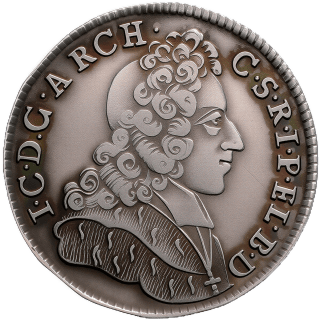 Obverse
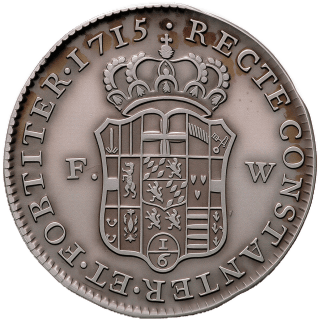 Reverse
Design Features
The obverse of the coin features the inscription "I C D G ARCH C S R I P EL B D," highlighting the Archbishopric of Cologne and the reigning archbishop at the time. On the reverse, the coin displays the fraction "1/6" alongside the Latin motto "RECTE CONSTANTER ET FORTITER," emphasizing principles of righteousness, consistency, and strength.
Technical Specifications
This ⅙ thaler coin has a size typical of thalers, with a silver composition that ensures its durability and luster. Weighing in accordance with the standards of the time, this coin exemplifies the fine craftsmanship and precision of minting techniques during the early 18th century.
Collectible Value
The Cologne ⅙ thaler 1715 coin holds both historical and collectible significance, appealing to numismatists and history enthusiasts alike. Its rarity, coupled with the intricate design and well-preserved condition, contributes to its desirability among coin collectors. The market value of this coin reflects its historical importance and aesthetic appeal, making it a prized addition to any collection.
Conclusion
In conclusion, the Cologne ⅙ thaler 1715 silver coin stands as a testament to the rich history and artistry of the Archbishopric of Cologne. Its unique design, historical context, and collectible value make it a valuable asset for both seasoned collectors and newcomers to the world of numismatics. Owning this coin not only offers a glimpse into the past but also a tangible connection to a bygone era of religious and cultural significance.

ScanMyCoin: AI Coin Recognition
Professional AI coin recognition and collection management platform. Identify, learn, and track your coin collection with advanced AI technology and a vast.