

Cologne Cologne ¼ stüber, 1736-1760
Description:
¼ stüber Cologne ¼ stüber, 1736-1760 coin from Cologne. Design, history & value.
Introduction
The Archbishopric of Cologne ¼ stüber coin, minted between 1736 and 1760, holds a unique place in numismatic history. This copper coin, denominated as ¼ stüber, showcases the rich heritage of the Cologne region and the ecclesiastical authority of the Archbishopric during the 18th century.
Historical Background
The Archbishopric of Cologne, a prominent ecclesiastical state in the Holy Roman Empire, issued coins to facilitate trade and signify its authority. The ¼ stüber denomination was part of the monetary system during the Archbishopric's reign from 1693 to 1777. These coins were essential for everyday transactions and reflected the economic stability of the region.
Coin Images
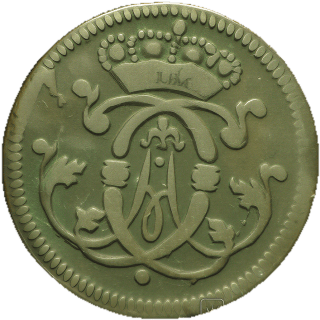 Obverse
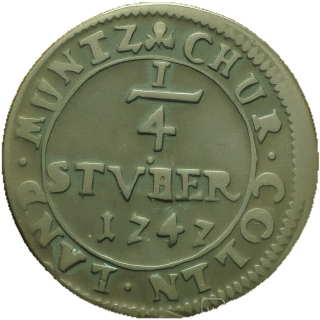 Reverse
Design Features
The obverse of the coin features the initials "CAC," representing the issuing authority or a significant figure of the Archbishopric. On the reverse, the inscription "¼ STÜBER / CHUR COLLN LAND MUNTZ" signifies the denomination and the minting authority of the Archbishopric of Cologne.
Technical Specifications
This ¼ stüber coin weighs 1.42 grams and has a diameter of 22.00mm, making it a small yet significant piece of numismatic history. Crafted from copper, this coin bears witness to the skilled craftsmanship of the minters during that era.
Collectible Value
Due to its historical significance and limited mintage period, the Cologne ¼ stüber coin from 1736-1760 holds considerable collectible value. Numismatists and coin collectors value these pieces for their rarity and representation of the Archbishopric's power and influence during the 18th century. The market value of these coins can vary based on their condition and historical provenance.
Conclusion
In conclusion, the Cologne ¼ stüber coin from the Archbishopric of Cologne offers a glimpse into the economic and religious landscape of 18th-century Europe. Its unique design, historical significance, and collectible value make it a prized possession for numismatists and history enthusiasts alike. Owning a piece of this rare coinage connects collectors to a bygone era of ecclesiastical authority and monetary exchange, making it a valuable addition to any numismatic collection.

ScanMyCoin: AI Coin Recognition
Professional AI coin recognition and collection management platform. Identify, learn, and track your coin collection with advanced AI technology and a vast.