

Cologne Cologne 20 kreuzer, 1735-1736
Description:
20 kreuzer Cologne 20 kreuzer, 1735-1736 coin from Cologne. Design, history & value.
Introduction
The Cologne 20 kreuzer coin minted between 1735-1736 stands as a testament to the rich numismatic history of the Archbishopric of Cologne. This silver coin carries significant value not only for its historical context but also for its intricate design and scarcity in the modern collector's market.
Historical Background
Issued by the Archbishopric of Cologne, this coin circulated during a period of great political and religious significance in the region. As a prominent ecclesiastical state, Cologne played a crucial role in the political landscape of the Holy Roman Empire. The minting of these coins symbolized the power and authority of the Archbishopric during the 18th century.
Coin Images
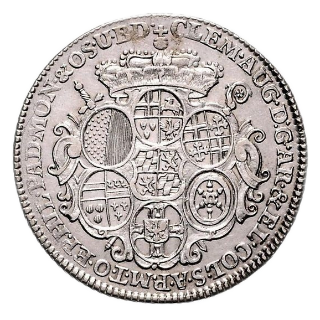 Obverse
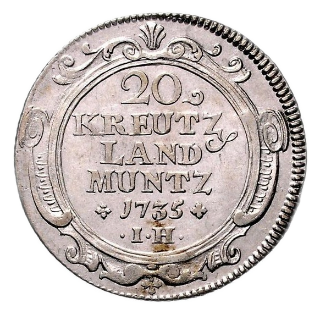 Reverse
Design Features
The obverse of the coin features intricate inscriptions including "CLEM AUG D G AR & EL COL S A P M T O EP HIL PAD MON & OS U B D," highlighting the connection to the Archbishopric of Cologne. On the reverse, the denomination "20 KREUTZ / LAND MUNTZ" is displayed, emphasizing the coin's face value.
Technical Specifications
This silver coin weighs 5.20 grams with a diameter of 26.20mm, showcasing fine craftsmanship typical of coins from this era. The composition of silver adds to its allure for collectors, as it embodies the monetary standards of the time.
Collectible Value
The Cologne 20 kreuzer coin from 1735-1736 holds significant value among numismatists and collectors due to its historical importance and limited availability. Its rarity and connection to the Archbishopric of Cologne make it a prized addition to any coin collection. Market values may vary based on factors such as condition, demand, and historical significance.
Conclusion
In conclusion, the Cologne 20 kreuzer silver coin minted between 1735-1736 represents a fascinating piece of numismatic history tied to the Archbishopric of Cologne. Its intricate design, historical significance, and scarcity in the modern market make it a highly sought-after collectible. For coin enthusiasts and historians alike, this coin serves as a tangible link to the past, preserving the legacy of the Archbishopric and the cultural heritage of the region.

ScanMyCoin: AI Coin Recognition
Professional AI coin recognition and collection management platform. Identify, learn, and track your coin collection with advanced AI technology and a vast.