

Cologne Cologne 1 carolin, 1735
Description:
1 carolin Cologne 1 carolin, 1735 coin from Cologne. Design, history & value.
Introduction
The 1735 Cologne 1 Carolin gold coin stands as a testament to the rich history and craftsmanship of the Archbishopric of Cologne. This rare numismatic piece offers collectors a glimpse into the past glory of one of the most influential ecclesiastical states in the Holy Roman Empire.
Historical Background
Issued in 1735, this coin bears witness to the economic and political power wielded by the Archbishopric of Cologne during the late 17th and 18th centuries. As a crucial player in the intricate web of European politics, Cologne minted coins that reflected its prestige and influence.
Coin Images
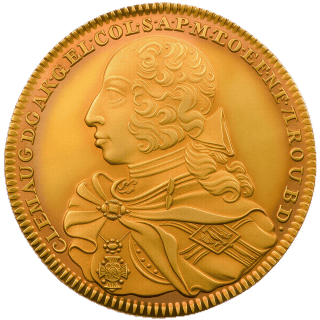 Obverse
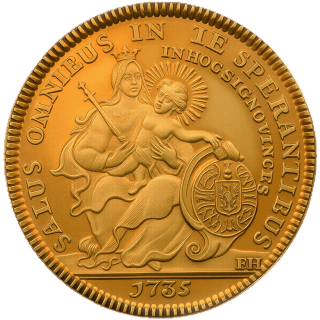 Reverse
Design Features
The obverse of the coin showcases the inscription "CLEM AUG D G AR ET EL COL S A E M TOR," highlighting the authority of the reigning Archbishop of Cologne. On the reverse, the coin features the noble coat of arms of Cologne adorned with elegant crowns, symbolizing the Archbishopric's sovereignty and grandeur.
Technical Specifications
This 1 Carolin coin is crafted from 0.770 grams of pure gold, weighing 9.70 grams in total. With a diameter and thickness that speak to the skilled artistry of the minters, this coin is a true masterpiece of numismatic heritage.
Collectible Value
Due to its rarity and historical significance, the 1735 Cologne 1 Carolin gold coin holds immense value among collectors. Its scarcity and connection to the Archbishopric of Cologne make it a coveted piece for numismatists seeking to enrich their collections with a piece of European history.
Conclusion
In conclusion, the 1735 Cologne 1 Carolin gold coin represents more than just a monetary artifact—it embodies a bygone era of power, influence, and artistry. As a cherished piece of the Archbishopric of Cologne's legacy, this coin is a prized possession for collectors and history enthusiasts alike. In conclusion, the 1735 Cologne 1 Carolin gold coin is a rare and valuable piece of numismatic history that offers a unique glimpse into the grandeur of the Archbishopric of Cologne. Its intricate design, historical significance, and scarcity make it a prized addition to any collection, resonating with both collectors and history enthusiasts around the world.

ScanMyCoin: AI Coin Recognition
Professional AI coin recognition and collection management platform. Identify, learn, and track your coin collection with advanced AI technology and a vast.