

Cilician Armenia 1 Kardez - Hetoum II (double cross type)
Description:
1 Kardez 1 Kardez - Hetoum II (double cross type) coin from Cilician Armenia. Design, history & value.
Introduction
The 1 Kardez coin from Cilician Armenia, issued during the reign of Hetoum II, is a fascinating piece of numismatic history. This copper coin, minted between 1289 and 1305, showcases the rich cultural and historical heritage of the Armenian Kingdom of Cilicia. Known for its distinctive double cross design, the 1 Kardez not only served as a medium of exchange but also as a symbol of the era's complex political and religious landscape. As an object of interest for collectors and historians alike, this coin provides insights into the economic and artistic practices of medieval Armenia.
Historical Background
Cilician Armenia, a principality in the Armenian Highlands, was a significant player in the medieval geopolitical landscape. During Hetoum II's reign, the kingdom navigated alliances and conflicts with neighboring powers, including the Byzantines, Mongols, and Mamluks. The 1 Kardez coin emerged in this era of dynamic cultural exchange and political intrigue. Hetoum II, known for his diplomatic acumen, utilized coinage as a means to assert sovereignty and facilitate trade. The issuance of the 1 Kardez played a crucial role in the economic stability of the kingdom, reflecting the broader socio-political conditions of the period.
Coin Images
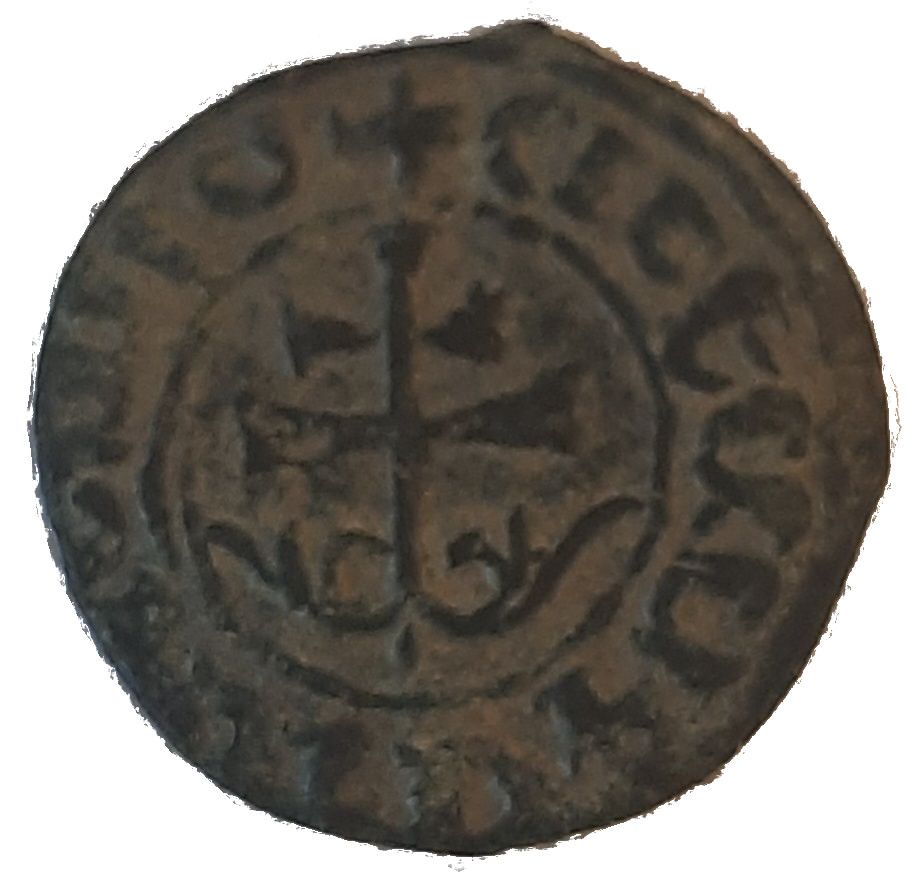 Obverse
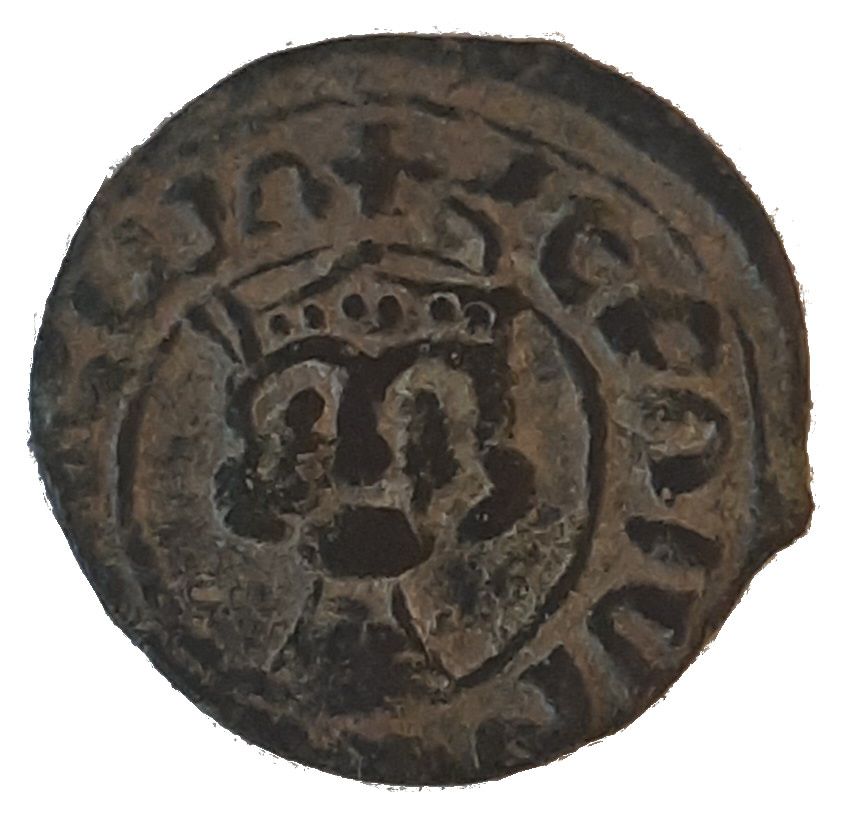 Reverse
Design Features
The 1 Kardez coin is renowned for its intricate design, which is a testament to the artistry of Cilician minting. The obverse of the coin prominently features a double cross, also known as a patriarchal cross. This symbol is emblematic of the Armenian Church and its influence on the kingdom's governance. The cross is detailed and stylized, capturing the spiritual and cultural identity of the era. The reverse side of the coin presents a portrait, likely of Hetoum II himself, embodying the tradition of royal effigies on currency. This portrait not only served to legitimize the ruler's authority but also acted as a medium through which the king's likeness could be disseminated across his realm. The artistry of the portrait reflects the skill of medieval Armenian engravers, making the coin a valuable artifact for both its historical and aesthetic significance.
Technical Specifications
The 1 Kardez is crafted from copper, a common material for currency in medieval Armenia, due to its durability and relative affordability. The coin weighs approximately 4.00 grams and measures 22.00 millimeters in diameter. These dimensions are typical of the period, indicating a standardized approach to coinage that facilitated trade and economic interactions both within and beyond the Armenian borders.
Collectible Value
For numismatists, the 1 Kardez represents a valuable addition to any collection focused on medieval or Armenian coinage. Its rarity and historical context contribute to its desirability in the coin collecting community. The market value of the 1 Kardez can vary significantly based on its condition, provenance, and the intricacies of its design. Well-preserved specimens with clear details often command higher prices at auctions and among private collectors. The coin's association with Hetoum II, a noteworthy historical figure, further enhances its appeal, making it a coveted piece for those interested in the cross-section of history and numismatics.
Conclusion
In conclusion, the 1 Kardez coin of Cilician Armenia is more than just a piece of copper; it is a window into a fascinating chapter of medieval history. Through its design and use, it reflects the political, economic, and cultural dynamics of Hetoum II's reign. For collectors and historians, the 1 Kardez offers not only aesthetic beauty but also a tangible connection to the past. Its continued study and appreciation underscore the enduring legacy of Cilician Armenia's numismatic achievements. As interest in medieval coins continues to grow, the 1 Kardez stands out as a remarkable artifact that captures the essence of its time.

ScanMyCoin: AI Coin Recognition
Professional AI coin recognition and collection management platform. Identify, learn, and track your coin collection with advanced AI technology and a vast.