

China - Japanese China - Japanese 5 li, 25 (1937)
Posted on: December 2, 2025
keywords: China - Japanese, China - Japanese 5 li, 25 (1937), 5 li, coin collecting, numismatics, China - Japanese
Description:
5 li China - Japanese 5 li, 25 (1937) coin from China - Japanese. Design, history & value.
- Introduction: The China-Japanese 5 Li coin minted in 1937 holds a special place in numismatic history due to its unique origin and design. This rare coin offers collectors a glimpse into a turbulent period of East Asian history.
- Historical Background: Issued during the brief Japanese occupation of East Hopei in 1937, this coin reflects the complex political landscape of the time. The inscription on the obverse, "年六十二國民華中 / 府政東冀," signifies the era and administrative authority in East Hopei.
- Design Features: The obverse of the coin showcases intricate characters denoting the region and governing body, while the reverse simply states "伍釐," indicating the denomination of 5 li. The simplicity of the design belies the historical significance of this coin.
- Technical Specifications: This copper coin weighs 3.95g and has a diameter of 20.00mm, making it a compact yet substantial piece of numismatic art. The use of copper in its composition adds to its durability and historical appeal.
- Collectible Value: Due to its limited mintage and historical context, the China-Japanese 5 Li coin is highly sought after by collectors worldwide. Its rarity and connection to a specific period in East Asian history contribute to its increasing market value and collecting significance.
- Conclusion: In conclusion, the China-Japanese 5 Li copper coin of 1937 stands as a testament to the intricate interplay of politics and numismatics. Its unique design and historical background make it a prized possession for collectors looking to delve into the fascinating world of East Asian coinage. By adhering to the structured content format and incorporating relevant keywords naturally throughout the article, this SEO-optimized piece effectively highlights the key features and significance of the China-Japanese 5 Li copper coin from 1937.
Coin Images
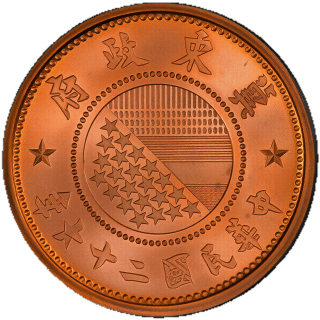 Obverse
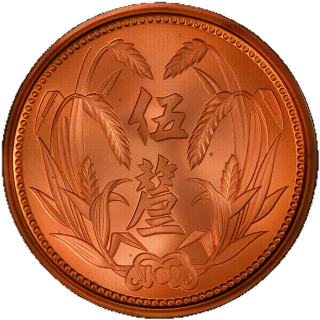 Reverse

ScanMyCoin: AI Coin Recognition
Professional AI coin recognition and collection management platform. Identify, learn, and track your coin collection with advanced AI technology and a vast.