

China - Japanese China - Japanese 5 fen, 1944-1945
Description:
5 fen China - Japanese 5 fen, 1944-1945 coin from China - Japanese. Design, history & value.
1. Introduction
The China-Japanese 5 fen coin minted between 1944 and 1945 is a fascinating numismatic piece that reflects the historical context of Manchukuo. This coin serves as a tangible link to the complex political and economic dynamics of the era.
2. Historical Background
Issued during the period of Japanese occupation in Manchukuo, this coin was part of the monetary system established by the Japanese authorities. Manchukuo, a puppet state under Japanese control, had its own coinage, including the 5 fen denomination.
3. Design Features
The obverse of the coin features the numeral '5' and the inscription '國帝洲滿' (meaning 'State of Manchuria') in Chinese characters. The reverse side simply states '分五,' indicating the denomination of 5 fen. The design is simplistic yet carries significant historical symbolism.
4. Technical Specifications
This coin has a weight of 1.20 grams and a diameter of 20.00mm. It is composed of fiber, a material commonly used for coinage during times of metal scarcity or war.
5. Collectible Value
The China-Japanese 5 fen coin holds both historical and collectible value. Due to its association with a specific period in Manchukuo's history, collectors interested in World War II or Asian numismatics find this coin particularly intriguing. Its rarity and historical significance contribute to its value in the numismatic market.
6. Conclusion
In conclusion, the China-Japanese 5 fen coin from 1944-1945 is not just a piece of currency but a testament to a tumultuous period in Asian history. Its unique design, historical context, and collectible value make it a prized possession for numismatists and history enthusiasts alike. By exploring this coin, collectors can delve into the intricate web of events that shaped Manchukuo and gain a deeper appreciation for the role of numismatics in preserving historical narratives.
Coin Images
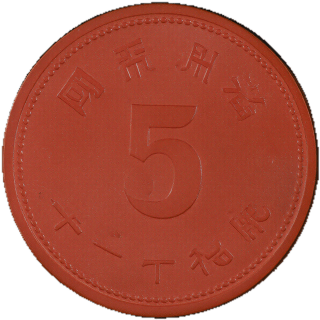 Obverse
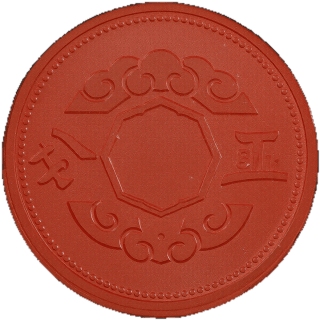 Reverse

ScanMyCoin: AI Coin Recognition
Professional AI coin recognition and collection management platform. Identify, learn, and track your coin collection with advanced AI technology and a vast.