

China - Empire China - Empire 1 cash, 1644
Posted on: December 2, 2025
keywords: China - Empire, China - Empire 1 cash, 1644, 1 cash, coin collecting, numismatics, China - Empire
Description:
1 cash China - Empire 1 cash, 1644 coin from China - Empire. Design, history & value.
- Introduction The China Empire 1 cash coin from 1644 is a remarkable piece of numismatic history that belongs to the Qing Dynasty era. Known for its intricate design and historical significance, this bronze coin offers collectors a glimpse into China's rich past.
- Historical Background Issued during the Qing Dynasty, which ruled China from 1644 to 1912, this 1 cash coin reflects the authority and stability of the Empire during that period. The reign of the Shunzhi Emperor is particularly notable for its economic reforms and the stabilization of the currency system.
- Design Features The obverse of the coin features the characters 寶 (Bao), 通 (Tong), and 順治 (Shunzhi), representing the reign title of the Emperor. On the reverse side, you'll find the inscription 一厘 (Yi Li) and 同 (Tong), denoting the denomination of the coin.
- Technical Specifications This coin typically measures around 24-26mm in diameter and weighs approximately 3-5 grams. Crafted from bronze, it showcases intricate detailing that reflects the craftsmanship of the era.
- Collectible Value Due to its historical significance and limited availability, the China Empire 1 cash coin from 1644 holds considerable collectible value. Its rarity level, coupled with its connection to a pivotal period in Chinese history, makes it a sought-after piece among numismatists worldwide.
- Conclusion In conclusion, the China Empire 1 cash coin from 1644 is not just a collectible item but a piece of history that offers insight into the Qing Dynasty's economic and cultural landscape. Its unique design and historical importance make it a prized possession for collectors interested in Chinese numismatics. By exploring the intricate details and historical context of this coin, collectors can appreciate its value beyond its monetary worth, making it a valuable addition to any numismatic collection.
Coin Images
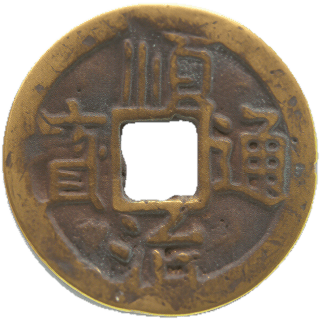 Obverse
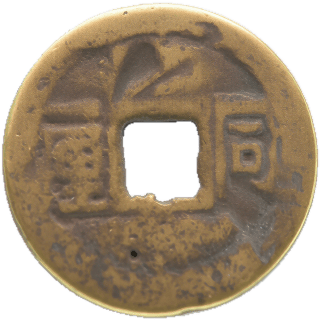 Reverse

ScanMyCoin: AI Coin Recognition
Professional AI coin recognition and collection management platform. Identify, learn, and track your coin collection with advanced AI technology and a vast.