

Ceylon Ceylon ¼ stuiver, ND (1783)
Description:
¼ stuiver Ceylon ¼ stuiver, ND (1783) coin from Ceylon. Design, history & value.
Title: Ceylon ¼ stuiver Coin (1783) - History, Design, and Collectible Value
Description: Explore the exquisite Ceylon ¼ stuiver coin from 1783 with its unique design and historical significance.
Keywords: Ceylon coin, ¼ stuiver, copper coin, VOC, numismatic history, collectible coins
Main Content:
Introduction
The Ceylon ¼ stuiver coin, minted in 1783, stands as a remarkable piece of numismatic history. With its intricate design and historical significance, this coin attracts both collectors and enthusiasts of Ceylonese and Dutch colonial coinage.
Historical Background
Issued by the Dutch authorities in Ceylon during the late 18th century, the ¼ stuiver coin played a crucial role in the local economy. Ceylon, known for its strategic location in the Indian Ocean trade routes, saw the circulation of various denominations, including the ¼ stuiver, showcasing the Dutch East India Company's dominance in the region.
Coin Images
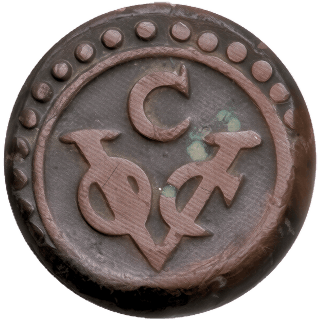 Obverse
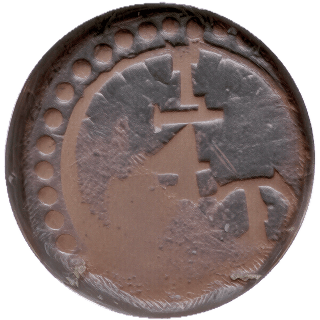 Reverse
Design Features
The obverse of the Ceylon ¼ stuiver coin features the iconic 'C / VOC' monogram, representing the Vereenigde Oost-Indische Compagnie (Dutch East India Company). On the reverse, the denomination '1/4 ST' is inscribed, accompanied by simple yet elegant design elements typical of colonial-era coinage.
Technical Specifications
This copper coin weighs 3.60g and has a diameter of 20.00mm. The choice of copper as the composition metal was common for lower denomination coins during this period, reflecting the practicality and availability of materials in the colonial mints.
Collectible Value
Due to its historical significance and limited mintage, the Ceylon ¼ stuiver coin holds a special place among collectors of Dutch colonial coinage. Its rarity and connection to the Dutch East India Company contribute to its collectible value, with well-preserved specimens commanding attention in numismatic circles.
Conclusion
In conclusion, the Ceylon ¼ stuiver coin of 1783 represents a fascinating blend of history, artistry, and numismatic interest. Its unique design, historical context, and collectible value make it a prized addition to any coin collection, offering a glimpse into the colonial past of Ceylon and the influence of the Dutch East India Company. By delving into the details of this coin, enthusiasts can appreciate its significance in the broader spectrum of numismatics, underscoring the cultural and economic exchanges that shaped the coinage of colonial Ceylon.

ScanMyCoin: AI Coin Recognition
Professional AI coin recognition and collection management platform. Identify, learn, and track your coin collection with advanced AI technology and a vast.