

Ceylon Ceylon 96 stivers, 1808-1809
Description:
96 stivers Ceylon 96 stivers, 1808-1809 coin from Ceylon. Design, history & value.
1. Introduction
The Ceylon 96 stivers coin minted between 1808 and 1809 holds a special place in numismatic history due to its unique design and limited mintage. This silver coin, denominated at 96 stivers, showcases the rich heritage of Ceylon during the early 19th century.
2. Historical Background
Issued by the Ceylon Government, this coin was part of the Rixdollar currency system that circulated in Ceylon from 1801 to 1821. The 96 stivers denomination was significant in trade and commerce during this period, reflecting the economic landscape of colonial Ceylon.
3. Design Features
The obverse of the coin features intricate animal designs, symbolizing the diverse wildlife of Ceylon. On the reverse side, the inscription "96 ST / CEYLONGOVERNMENT" indicates the denomination and issuing authority in a clear and concise manner.
4. Technical Specifications
Constructed from 83.3% silver, this coin weighs 17.76g and has a diameter of 23.00mm. The high silver content adds numismatic value to the coin, making it a sought-after collectible among enthusiasts.
5. Collectible Value
Due to its limited mintage and historical significance, the Ceylon 96 stivers coin of 1808-1809 holds considerable collectible value. Numismatists value this coin for its rarity, design intricacy, and connection to Ceylon's colonial past. Its market value reflects both its historical importance and demand among collectors.
6. Conclusion
In conclusion, the Ceylon 96 stivers silver coin of 1808-1809 stands as a testament to the rich numismatic heritage of Ceylon. Its unique design, historical significance, and collectible value make it a prized possession for coin enthusiasts worldwide. Owning this coin not only adds a valuable piece to a collection but also preserves a piece of Ceylon's colonial history for generations to come.
Coin Images
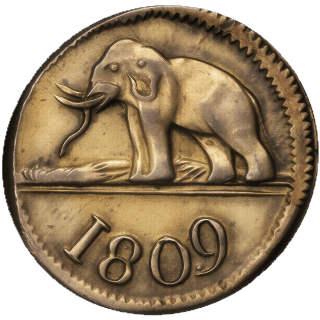 Obverse
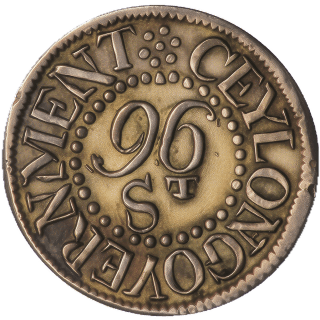 Reverse

ScanMyCoin: AI Coin Recognition
Professional AI coin recognition and collection management platform. Identify, learn, and track your coin collection with advanced AI technology and a vast.