

Ceylon Ceylon 2 stuivers, 1783-1792
Description:
2 stuivers Ceylon 2 stuivers, 1783-1792 coin from Ceylon. Design, history & value.
Title: Ceylon 2 Stuivers Coin (1783-1792) - History, Design, and Value Description: Explore the rich history and unique design of the Ceylon 2 stuivers copper coin from 1783 to 1792. Keywords: Ceylon, 2 stuivers, copper coin, numismatics, VOC, collectible, historical currency Main Content:
Introduction
The Ceylon 2 stuivers coin holds a significant place in numismatic history, representing the colonial era of Ceylon under the Dutch East India Company (VOC). This copper coin, minted between 1783 and 1792, reveals a fascinating blend of cultural and historical significance.
Historical Background
Issued in Ceylon by the Dutch VOC, the 2 stuivers coin was part of the colonial currency system during the late 18th century. These coins played a crucial role in local trade and commerce, reflecting the economic influence of the VOC in the region.
Coin Images
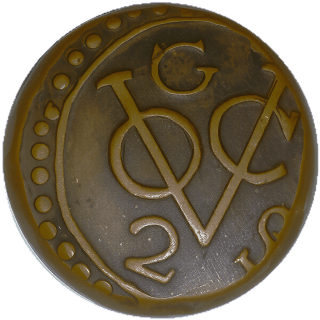 Obverse
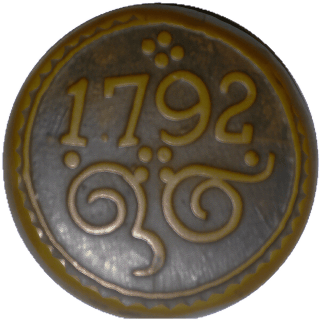 Reverse
Design Features
The obverse of the Ceylon 2 stuivers coin showcases the denomination "2 S" with the initials "G" and "VOC" representing the Dutch East India Company. On the reverse, the inscription in Sinhala script, "ලව," adds a unique cultural touch to the coin's design, reflecting the local influence on VOC coinage.
Technical Specifications
This coin weighs 25.25 grams and has a diameter of 29.30mm, making it a substantial copper piece. The intricate designs on both sides highlight the craftsmanship of the minters during that period. The composition of copper adds to the durability of this historical artifact.
Collectible Value
The Ceylon 2 stuivers coin holds both historical and collectible value in the numismatic world. Due to its limited mintage and historical significance, this coin is highly sought after by collectors. Its rarity and connection to the Dutch colonial era make it a prized addition to any numismatist's collection.
Conclusion
In conclusion, the Ceylon 2 stuivers coin stands as a testament to the rich history of Ceylon under Dutch colonial rule. Its unique design, historical significance, and collectible value make it a prized possession for both historians and coin collectors alike. Owning a piece of this coin is not just owning a currency but a piece of history that tells a story of trade, culture, and colonial influence in the region.

ScanMyCoin: AI Coin Recognition
Professional AI coin recognition and collection management platform. Identify, learn, and track your coin collection with advanced AI technology and a vast.