

Ceylon Ceylon 1 stuiver, 1789-1793
Description:
1 stuiver Ceylon 1 stuiver, 1789-1793 coin from Ceylon. Design, history & value.
Introduction
The Ceylon 1 stuiver coin minted between 1789 and 1793 holds a significant place in numismatic history. As a copper denomination, this coin showcases the colonial influence on Ceylon's coinage during the late 18th century. Its historical importance and distinct design make it a sought-after piece among collectors worldwide.
Historical Background
Issued by Ceylon during the late 1700s, the 1 stuiver coin reflects the Dutch colonial presence in the region. The Dutch East India Company (VOC) played a crucial role in the economic activities of Ceylon during this period, with the coinage serving as a testament to their influence in the area.
Coin Images
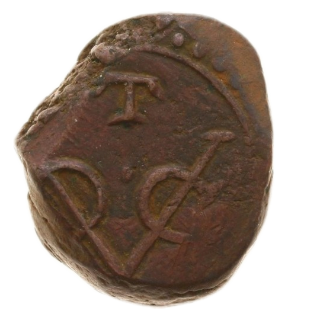 Obverse
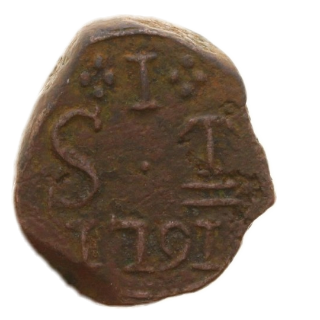 Reverse
Design Features
The obverse of the Ceylon 1 stuiver coin features the monogram "T / VOC," representing the authority of the Dutch East India Company. The reverse bears the denomination "1 ST" in a clear and concise manner, emphasizing the coin's value.
Technical Specifications
This copper coin weighs 13.76 grams and has a diameter of 18.00mm. The composition of copper adds to its durability while also giving it a distinctive appearance compared to other contemporary coins.
Collectible Value
Due to its historical significance and limited mintage period, the Ceylon 1 stuiver coin is highly valued among numismatists. Collectors seek this coin not only for its rarity but also for its connection to the colonial past of Ceylon. Its market value reflects its desirability and the historical context it represents.
Conclusion
In conclusion, the Ceylon 1 stuiver coin from 1789-1793 stands as a testament to the colonial history of Ceylon and the influence of the Dutch East India Company in the region. Its unique design, historical background, and collectible value make it a prized possession for both experienced collectors and enthusiasts exploring the rich tapestry of numismatics. Embrace the opportunity to own a piece of history with this remarkable Ceylon coin.

ScanMyCoin: AI Coin Recognition
Professional AI coin recognition and collection management platform. Identify, learn, and track your coin collection with advanced AI technology and a vast.