

Ceylon Ceylon 1 duit, 1789-1791
Posted on: December 2, 2025
keywords: Ceylon, Ceylon 1 duit, 1789-1791, 1 duit, coin collecting, numismatics, Ceylon
Description:
1 duit Ceylon 1 duit, 1789-1791 coin from Ceylon. Design, history & value.
Title: Ceylon 1 Duit 1789-1791, Lead Coin with VOC Mark, Stuiver Series Description: Explore the historical significance of Ceylon's 1 duit coin minted from 1789 to 1791, featuring the iconic VOC mark. Keywords: Ceylon coin, 1 duit, VOC mark, lead composition, Stuiver series, numismatic history, collectible value Main Content:
- Introduction: The Ceylon 1 duit coin, struck between 1789 and 1791, stands as a testament to the numismatic heritage of the region. With its distinctive VOC mark and historical significance, this coin has captured the interest of collectors worldwide.
- Historical Background: Issued by Ceylon during the late 18th century, these coins were part of the Stuiver series that circulated in the Dutch East India Company (VOC) territories. The Dutch influence on Ceylon's coinage is evident in the design and composition of these coins.
- Design Features: The obverse of the coin features the prominent 'C / VOC' mark, representing the Dutch East India Company's authority over the region. On the reverse, the numeral '1 DT' signifies the denomination of the coin. The simplicity of the design is a reflection of the practicality of coinage during that era.
- Technical Specifications: This 1 duit coin is crafted from lead, weighing 5.84 grams with a diameter of 19.40mm. The choice of lead as the composition adds to the historical significance of the coin, showcasing the materials available for coin production at that time.
- Collectible Value: Due to its limited mintage period and historical importance, the Ceylon 1 duit coin holds significant collectible value. Numismatists are drawn to its connection to the Dutch colonial era and the distinctive VOC mark. The rarity of these coins contributes to their desirability among collectors.
- Conclusion: In conclusion, the Ceylon 1 duit coin from 1789 to 1791 is a prized numismatic piece that offers a glimpse into the colonial past of Ceylon and the influence of the Dutch East India Company. Its unique design, historical significance, and collectible value make it a coveted addition to any coin collection, appealing to both collectors and enthusiasts interested in the rich history of numismatics.
Coin Images
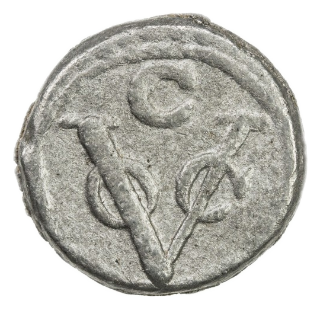 Obverse
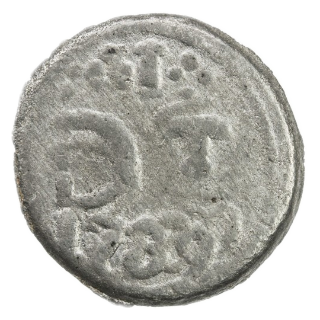 Reverse

ScanMyCoin: AI Coin Recognition
Professional AI coin recognition and collection management platform. Identify, learn, and track your coin collection with advanced AI technology and a vast.