

Castile and Leon, Kingdom of Obol - Sancho IV (Santiago)
Description:
1 Obol Obol - Sancho IV (Santiago) coin from Castile and Leon, Kingdom of. Design, history & value.
[SEO TITLE]: Discover the Rare Obol Coin of Sancho IV from Castile and Leon [SEO DESCRIPTION]: Explore the history and significance of the Obol coin from Castile and Leon. [KEYWORDS]: Obol coin, Sancho IV, Castile and Leon, medieval coin, billon currency, coin collecting, numismatics
Introduction
The Obol of Sancho IV from the Kingdom of Castile and Leon is a fascinating artifact from the medieval era, captivating numismatists and history enthusiasts alike. Minted between 1286 and 1288, this coin represents a significant period in Spanish history, reflecting the political and economic circumstances of its time. With its unique design and historical context, the Obol coin provides a window into the past, making it a valuable piece for any collector.
Historical Background
The Obol coin was issued during the reign of Sancho IV, a monarch who ruled Castile and Leon at a time of considerable political intrigue and consolidation of power. Sancho IV, known as "Sancho the Brave," ascended to the throne amidst a backdrop of familial conflict and external threats. His reign was marked by efforts to stabilize the kingdom and strengthen its institutions, which is mirrored in the coinage of the period. The Obol, a denomination of modest value, was a part of the everyday currency that facilitated trade and commerce in the kingdom. Its production in billon, a silver-copper alloy, reflects the economic conditions and metallurgical practices of medieval Spain.
Coin Images
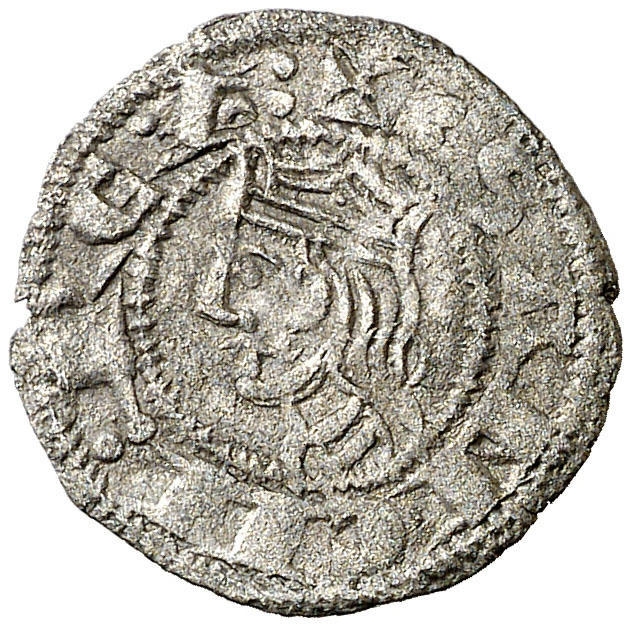 Obverse
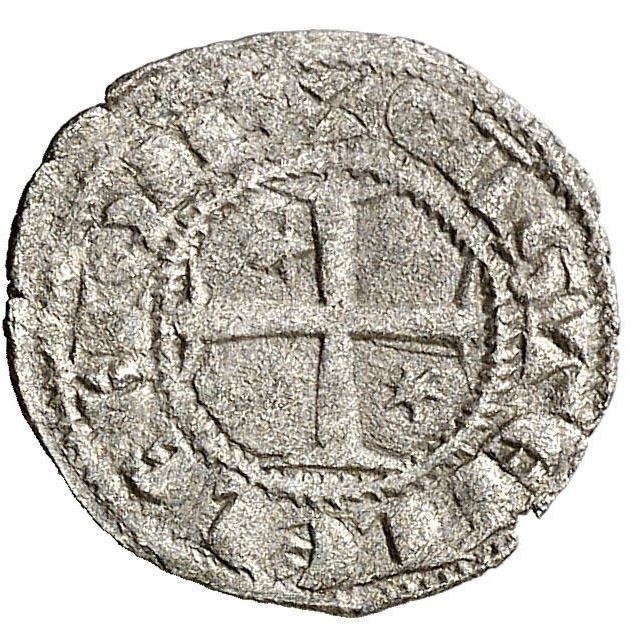 Reverse
Design Features
Obverse Design
The obverse of the Obol coin features a crowned bust facing left. This image of Sancho IV is symbolic of his authority and sovereignty. The crowned bust design was a common motif in medieval coinage, serving both as a mark of legitimacy and as a tool for the king to project his image across the realm. The intricate details of the crown and facial features on the coin are a testament to the craftsmanship of medieval minting.
Reverse Design
The reverse of the coin is adorned with a cross, a powerful symbol of Christianity. During Sancho IV's reign, the cross was not only a spiritual emblem but also a political one, representing the king's role as a defender of the faith. The cross design on the Obol coin underscores the religious underpinnings of the kingdom's governance and the central role of the Church in medieval society.
Technical Specifications
The Obol coin is composed of billon, a blend of silver and copper, which was a standard practice in medieval coinage to balance the scarcity of silver. Weighing 0.70 grams, the coin is a testament to the economic strategies of the time, where lower silver content coins were circulated for everyday transactions. This lightweight coinage was efficient for trade and facilitated economic exchanges across the kingdom.
Collectible Value
The Obol of Sancho IV holds significant collectible value due to its historical context and rarity. Coins from the medieval period are highly sought after by collectors for their connection to historical events and figures. The Obol's unique design and limited minting period make it a rare find in the numismatic market. Collectors prize such coins not only for their monetary value but also for the stories they tell about the past. The market value of the Obol can vary depending on its condition, provenance, and the demand among collectors.
Conclusion
The Obol coin from the reign of Sancho IV of Castile and Leon is more than just a piece of currency; it is a tangible connection to a pivotal era in Spanish history. Its design features, historical significance, and rarity make it a treasured piece for collectors and historians alike. As a representation of medieval economic practices and political power, the Obol continues to be a symbol of the rich tapestry of Spain's past, offering insights into the lives and times of those who lived over seven centuries ago. Whether you are a seasoned numismatist or a history enthusiast, the Obol of Sancho IV is a remarkable coin worth exploring and cherishing.

ScanMyCoin: AI Coin Recognition
Professional AI coin recognition and collection management platform. Identify, learn, and track your coin collection with advanced AI technology and a vast.