

Castile and Leon, Kingdom of Obol - Sancho IV (Murcia)
Description:
1 Obol Obol - Sancho IV (Murcia) coin from Castile and Leon, Kingdom of. Design, history & value.
Introduction
The Obol of Sancho IV, minted in the historic region of Murcia, stands as a testament to the rich medieval heritage of the Kingdom of Castile and Leon. Issued between 1286 and 1288, this coin offers a fascinating glimpse into a pivotal era of Spanish history. Collectors and historians alike value this coin for its unique features and the story it tells about the reign of Sancho IV, a time marked by both conflict and cultural growth.
Historical Background
Sancho IV, known as Sancho the Brave, ruled the Kingdom of Castile and Leon from 1284 until his death in 1295. His reign was characterized by political upheaval and efforts to consolidate power against both internal and external threats. The issuance of the obol during his rule reflects the need for a stable currency to support economic activities and affirm his legitimacy as king. The obol's production in Murcia, a key region in medieval Spain, underscores the area's importance as a cultural and economic hub. Murcia's minting activity during this period was crucial for circulating currency throughout the kingdom, facilitating trade and commerce.
Coin Images
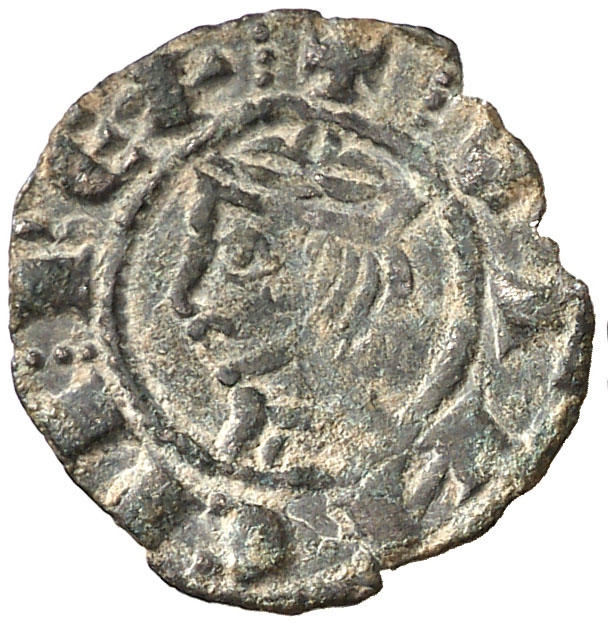 Obverse
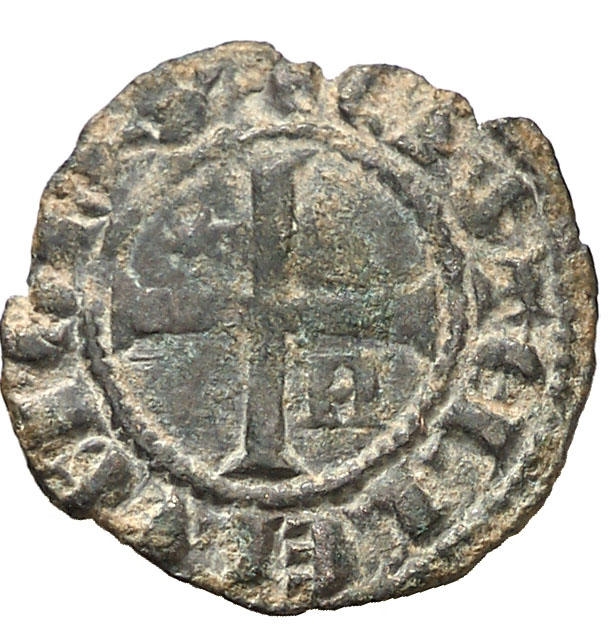 Reverse
Design Features
Obverse Design: The obverse of the Sancho IV obol features a crowned bust facing left, a classic representation of medieval coinage that emphasizes the monarch's authority and divine right to rule. The intricate detailing of the crown and facial features showcases the artisanal skills of the engravers of the time. Reverse Design: The reverse side displays a cross, a common motif in medieval European coins symbolizing Christianity and the king's role as a protector of the faith. The simplicity of the design contrasts with the detailed obverse, highlighting the spiritual and political significance of the ruler's reign.
Technical Specifications
The Sancho IV obol is composed of billon, a low-grade silver alloy, reflecting the economic conditions of the time. The coin weighs approximately 0.70 grams, making it a lightweight piece that was likely used for everyday transactions. Its size and composition are indicative of the period's minting practices, where precious metals were often mixed with base metals to extend the supply of coinage.
Collectible Value
The collectible value of the Sancho IV obol is significant due to its historical context and rarity. Coins from this period are highly sought after by collectors for their historical importance and the insight they provide into medieval Spanish society. The obol's condition and provenance can greatly influence its market value, with well-preserved examples being particularly prized. Collectors appreciate the obol not only for its aesthetic and historical value but also for its representation of a transformative period in Spanish history. The coin's rarity, combined with the demand among numismatists, contributes to its high collectible value.
Conclusion
The Obol of Sancho IV is more than just a piece of currency; it is a historical artifact that encapsulates the essence of a dynamic period in the Kingdom of Castile and Leon. Its unique design, historical significance, and collectible value make it a cherished item among coin enthusiasts and historians. By studying coins like the Sancho IV obol, we gain valuable insights into the economic, political, and cultural nuances of medieval Spain. Whether you are a seasoned collector or a history enthusiast, this coin offers a tangible link to the past and a deeper understanding of the legacy of Sancho IV.

ScanMyCoin: AI Coin Recognition
Professional AI coin recognition and collection management platform. Identify, learn, and track your coin collection with advanced AI technology and a vast.