

Castile and Leon, Kingdom of Obol - Sancho IV (Leon)
Description:
1 Obol Obol - Sancho IV (Leon) coin from Castile and Leon, Kingdom of. Design, history & value.
Introduction
The Obol of Sancho IV from the Kingdom of Castile and Leon is a captivating piece of medieval numismatic history. Minted between 1286 and 1288, this coin reflects a significant period in Spanish history and showcases the artistry and craftsmanship of the era. The Obol stands out not only for its age and rarity but also for its unique design features and historical significance. As a collector's item, it offers a glimpse into the medieval economy and the reign of Sancho IV.
Historical Background
The Obol was issued during the reign of Sancho IV, who ruled Castile and Leon from 1284 to 1295. His reign was marked by efforts to consolidate power and stabilize the kingdom after a period of political turmoil. The coinage of Sancho IV is particularly interesting as it reflects the economic strategies employed to bolster his reign. The issuance of the Obol, a small denomination coin made of billon (an alloy of silver and copper), was an effort to facilitate everyday trade and commerce. This period was crucial in the development of a more unified Spanish identity, and the coins minted during this time serve as a testament to the resilience and ambition of Sancho IV's rule.
Coin Images
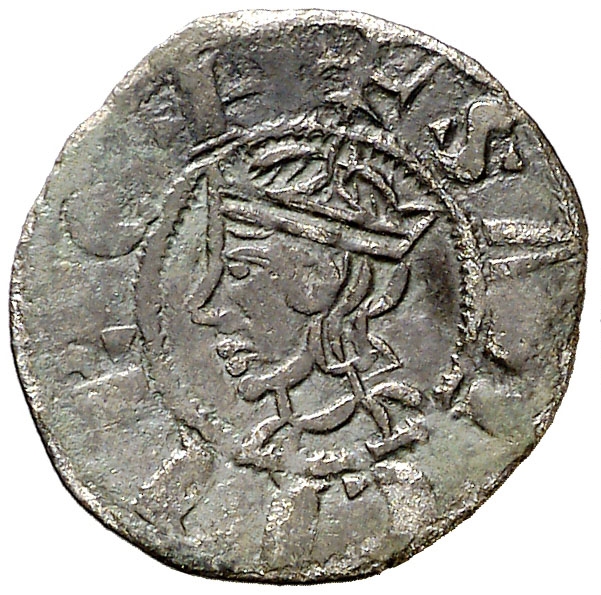 Obverse
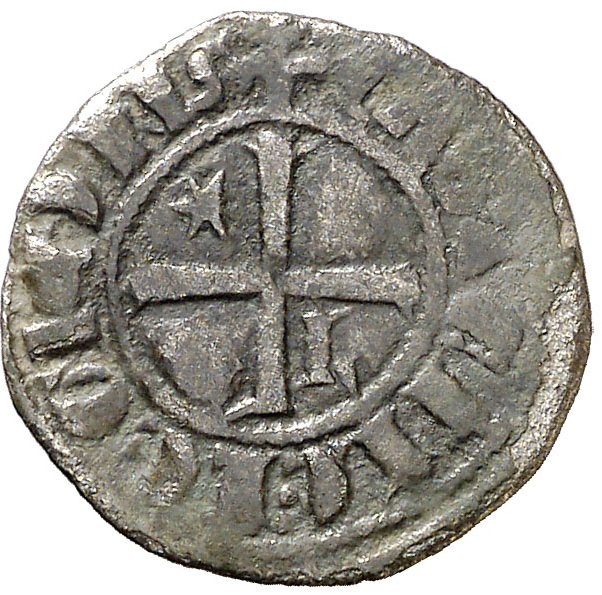 Reverse
Design Features
Obverse Design: The obverse of the Obol features a crowned bust facing left, a common motif in medieval coinage that symbolizes the authority and sovereignty of the monarch. The detailed crown and facial features highlight the skill of the engravers of the time, providing a dignified portrayal of King Sancho IV. Reverse Design: On the reverse, the coin displays a cross, a powerful emblem in medieval Europe symbolizing faith and the protection of the realm. The cross design is simple yet profound, representing the Christian values that underpinned the governance and societal structure of the period.
Technical Specifications
The Obol of Sancho IV is composed of billon, an alloy that blends silver with a majority of base metals like copper, reflecting the economic conditions and metallurgical practices of the time. The coin weighs approximately 0.70 grams, a lightweight denomination that made it practical for everyday transactions. Its modest size and weight made it accessible to the common people, thus playing a crucial role in the kingdom's economy.
Collectible Value
The Obol of Sancho IV is highly valued among collectors for its rarity and historical importance. Coins from this era are often hard to find in good condition due to their age and the less durable nature of billon. The collectible value of this coin is further enhanced by its historical context and the relatively short period during which it was minted. For numismatists, the Obol offers a tangible connection to medieval Spain, making it a prized addition to any collection. Its market value can vary significantly based on condition, provenance, and rarity, with well-preserved specimens commanding higher prices.
Conclusion
In conclusion, the Obol of Sancho IV from the Kingdom of Castile and Leon is more than a mere monetary instrument; it is a piece of history encapsulated in metal. This coin not only represents the economic and political narrative of late 13th-century Spain but also serves as a testament to the artistic and cultural endeavors of the time. For collectors and history enthusiasts alike, the Obol offers an intriguing opportunity to explore the rich tapestry of medieval European history through the lens of numismatics. Whether as a collector's gem or a historical artifact, this coin holds significant value and continues to fascinate those who delve into its storied past.

ScanMyCoin: AI Coin Recognition
Professional AI coin recognition and collection management platform. Identify, learn, and track your coin collection with advanced AI technology and a vast.