

Castile and Leon, Kingdom of Obol - Sancho IV (Burgos)
Description:
1 Obol Obol - Sancho IV (Burgos) coin from Castile and Leon, Kingdom of. Design, history & value.
Introduction
The Obol from Castile and Leon under the reign of Sancho IV stands as a remarkable piece of medieval numismatic history. Minted between 1286 and 1288, this coin embodies both the economic and artistic endeavors of the Kingdom of Castile and Leon during a pivotal period. Coin enthusiasts and historians alike cherish this coin for its historical significance and unique design features, offering a glimpse into the rich past of medieval Spain.
Historical Background
The Kingdom of Castile and Leon, one of the prominent medieval Spanish kingdoms, played a crucial role in the Reconquista, the Christian reclamation of the Iberian Peninsula. Sancho IV, known as Sancho the Brave, ascended the throne amidst political turmoil and sought to consolidate his power and stabilize the kingdom's economy. The issuance of coins, such as the Obol, was not only a practical necessity for trade but also a statement of authority and legitimacy. This coin, minted in Burgos, one of the kingdom's principal cities, reflects the blend of cultural influences and the kingdom's strategic economic policies during Sancho's reign.
Coin Images
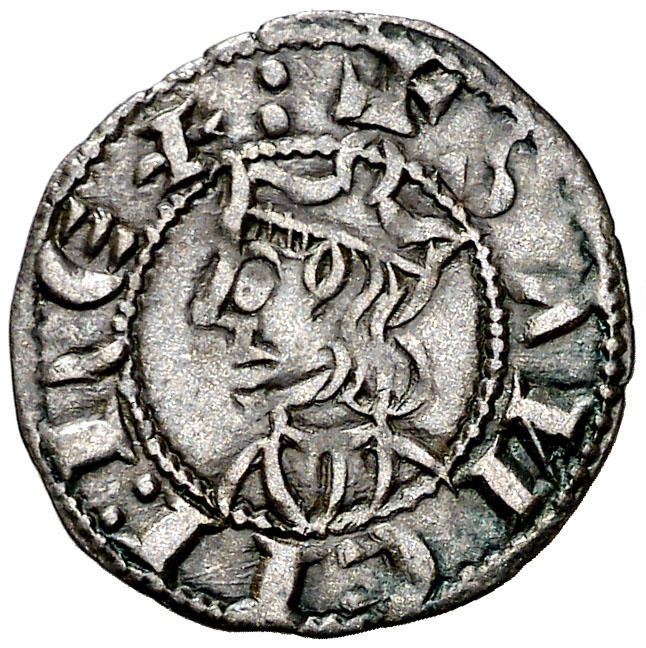 Obverse
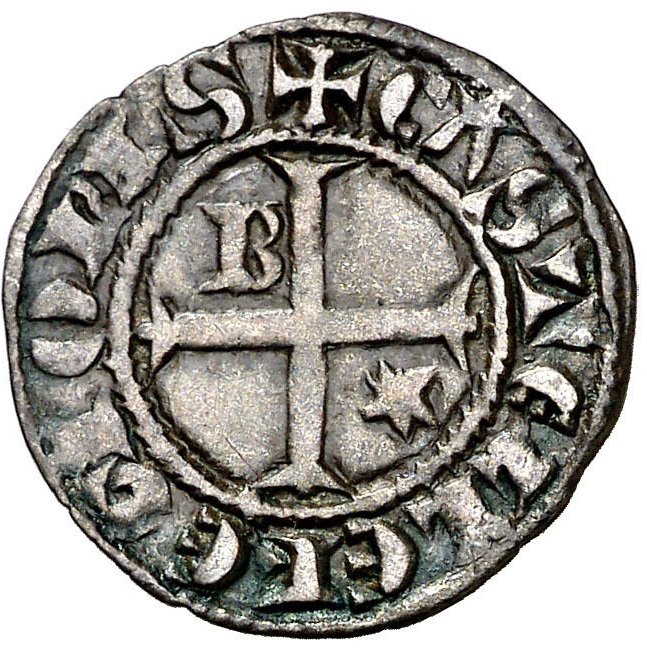 Reverse
Design Features
The Obol of Sancho IV is distinguished by its intricate design, which is emblematic of the artistry of the period.
- Obverse Design: It features a crowned bust facing left, symbolizing the king's sovereignty and divine right to rule. The attention to detail in the depiction of the crown and facial features highlights the skill of the medieval engravers and the importance of royal imagery in asserting monarchical power.
- Reverse Design: The reverse showcases a cross, a potent symbol of faith and the Reconquista. The presence of the cross not only underscores the religious undertones of the period but also served as a reminder of the kingdom's Christian identity and its mission to reclaim territories from Muslim rule.
Technical Specifications
This coin is categorized under the denomination of 1 Obol and is composed of billon, an alloy of precious and base metals, commonly used in medieval coinage. With a weight of approximately 0.70 grams, the Obol exemplifies the economic practices of the time, balancing the scarcity of precious metals with the necessity of producing sufficient currency for commercial activities. The use of billon reflects the economic conditions and the need for practical currency solutions during Sancho IV's reign.
Collectible Value
The Obol of Sancho IV is a prized possession among numismatists due to its historical and cultural significance. Its rarity and the stories it tells about medieval Spain make it a valuable addition to any collection. While the market value of such coins can fluctuate based on condition and provenance, the intrinsic value lies in its representation of a critical era in Spanish history. Collectors seek this coin not only for its monetary worth but for its ability to connect them to the past and the legacy of Sancho IV's rule.
Conclusion
The Obol from Castile and Leon during the reign of Sancho IV is more than just a piece of currency; it is a tangible link to a bygone era marked by strategic consolidation and cultural flourishing. This coin captures the essence of medieval Spain, offering insights into the political, economic, and religious life of the time. Whether you're a seasoned collector or a history enthusiast, the Obol of Sancho IV remains an enduring symbol of the rich tapestry of Castile and Leon's past, making it a worthy subject of study and admiration in the numismatic world.

ScanMyCoin: AI Coin Recognition
Professional AI coin recognition and collection management platform. Identify, learn, and track your coin collection with advanced AI technology and a vast.