
Castile and Leon, Kingdom of Denier - Alfonso VII (Leon)
Description:
1 Denier Denier - Alfonso VII (Leon) coin from Castile and Leon, Kingdom of. Design, history & value.
Introduction
The Denier of Alfonso VII from Castile and Leon is a fascinating artifact that underscores the rich history and economic development of medieval Spain. This coin, minted between 1126 and 1157, represents a period of significant transition and growth under the reign of Alfonso VII, known as the Emperor of All Spain. For collectors and historians alike, the Denier holds immense value, not only as a collectible but also as a tangible piece of the Iberian Peninsula's storied past.
Historical Background
The Denier was issued under the authority of the Kingdom of Castile and Leon, one of the preeminent states in medieval Spain. Alfonso VII ascended to the throne in 1126, and his reign is marked by efforts to consolidate territories and strengthen the kingdom's influence. The Denier reflects the political and economic ambitions of Alfonso VII, who sought to unify the diverse regions of Spain and assert his dominance. During this era, coinage was not merely a medium of exchange but also a tool for propaganda, asserting the ruler's legitimacy and expanding their influence. The Denier, therefore, is an emblem of Alfonso VII's reign and his quest to be recognized as Emperor, a title that reflected his ambition to unify the Christian territories of Spain.
Coin Images
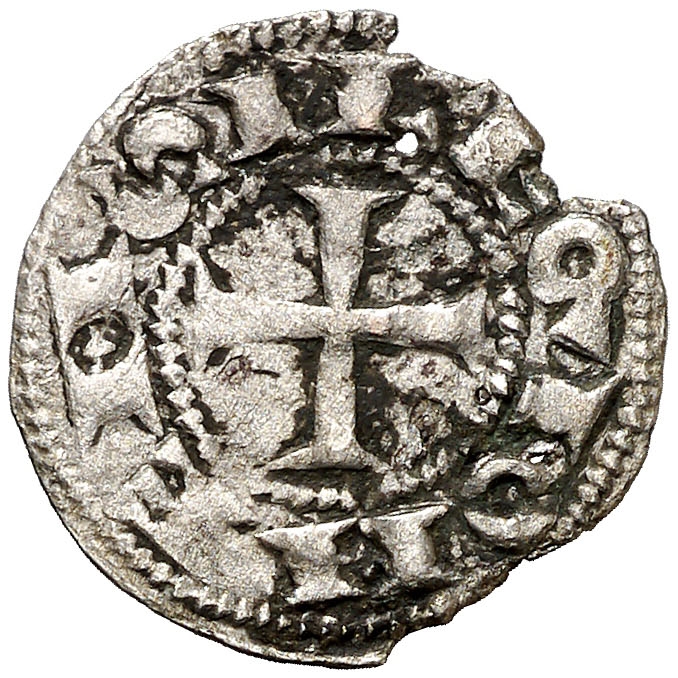 Obverse
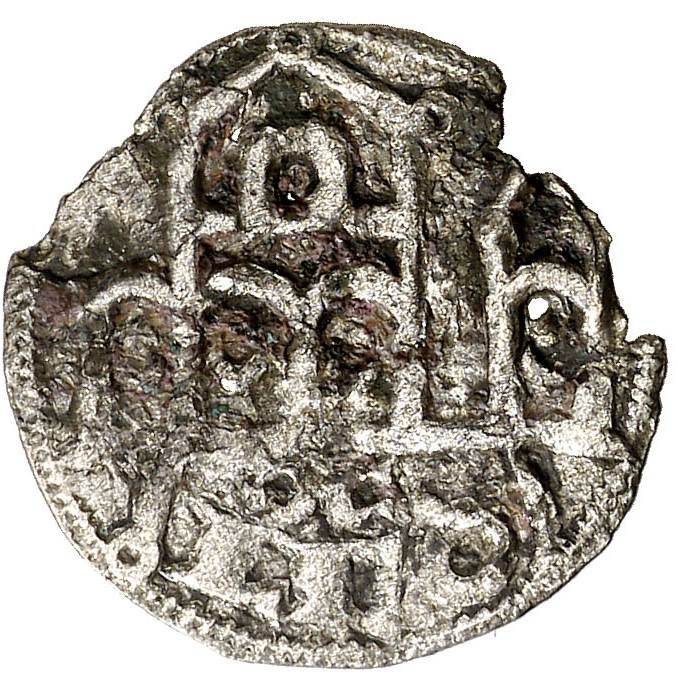 Reverse
Design Features
The Denier of Alfonso VII is distinguished by its intricate design, which was emblematic of the period's numismatic artistry. The obverse typically features a stylized portrait of the monarch, symbolizing his authority and divine right to rule. The surrounding inscriptions often include references to Alfonso VII's titles and achievements. On the reverse side, the Denier commonly displays religious or symbolic motifs, such as crosses or heraldic emblems, reinforcing the connection between the monarchy and the church. These design elements not only served aesthetic purposes but also communicated messages of power and piety to the populace.
Technical Specifications
The Denier is composed of billon, an alloy of silver and copper, which was commonly used in medieval coinage. This composition made the coin both durable and affordable to produce. Weighing approximately 1.00 gram, the Denier is lightweight, reflecting the economic conditions and minting practices of the time. The coin's diameter and thickness can vary slightly due to the manual striking process used in medieval mints, which often resulted in irregularities. Despite these variations, the Denier's consistent weight and composition provided a reliable standard for transactions.
Collectible Value
The Denier of Alfonso VII is highly sought after by collectors due to its historical significance and rarity. Coins from this period are relatively scarce, as many were melted down or lost over the centuries. As a result, the Denier holds considerable value in the numismatic market, attracting interest from collectors specializing in medieval and Spanish coinage. Its value is further enhanced by its connection to Alfonso VII, a pivotal figure in Spanish history. Coins in good condition, with legible inscriptions and clear imagery, command higher prices, reflecting their desirability among enthusiasts and investors.
Conclusion
The Denier of Alfonso VII from Castile and Leon is more than a mere artifact; it is a testament to a dynamic period in Spanish history. As a numismatic piece, it offers insights into the political, economic, and artistic developments of the 12th century. For coin collectors and historians, the Denier is a cherished link to the past, embodying the legacy of one of Spain's most ambitious monarchs. Whether admired for its historical context or its numismatic value, the Denier continues to captivate those who seek to understand and preserve the heritage of medieval Europe.

ScanMyCoin: AI Coin Recognition
Professional AI coin recognition and collection management platform. Identify, learn, and track your coin collection with advanced AI technology and a vast.