

Canadian provinces Canadian provinces 1 penny, 1837
Description:
1 penny Canadian provinces 1 penny, 1837 coin from Canadian provinces. Design, history & value.
Introduction
The Canadian provinces 1 penny coin minted in 1837 holds a special place in numismatic history due to its association with Lower Canada during the early to mid-19th century. This copper coin not only serves as a testament to the economic activities of the era but also showcases the rich cultural heritage of the region through its intricate design elements.
Historical Background
Issued in the category of Lower Canada between 1811 and 1841, this 1 penny coin was authorized by the Canadian provinces as a means of facilitating trade and commerce within the region. The year 1837 marked a period of significant political and social change in Canada, making this coin a tangible link to the events of that time.
Coin Images
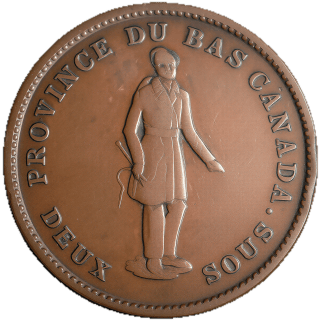 Obverse
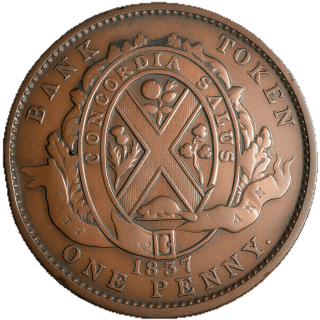 Reverse
Design Features
The obverse of the coin features the inscriptions "DEUX SOUS" and "PROVINCE DU BAS CANADA," emphasizing its denomination and place of origin. On the reverse side, the year "1837" is prominently displayed above the words "BANK TOKEN," "CITY BANK," and "ONE PENNY," signifying its value and purpose within the monetary system of the period.
Technical Specifications
Weighing 19.00g and measuring 34.00mm in diameter, this copper coin is a substantial piece that conveys a sense of solidity and durability. The choice of copper as the composition material reflects the practicality and availability of this metal during the coin's production.
Collectible Value
In the world of numismatics, the Canadian provinces 1 penny coin from 1837 holds both historical and collectible significance. Its market value may vary based on factors such as condition, rarity, and demand among collectors. Due to its age and limited mintage, this coin is considered a prized addition to any coin collection, especially for those interested in Canadian and colonial coinage.
Conclusion
In conclusion, the Canadian provinces 1 penny coin of 1837 represents a fascinating piece of Canadian history, offering insights into the economic landscape and societal developments of Lower Canada during the early 19th century. Its intricate design, historical context, and collectible value make it a valuable asset for both seasoned numismatists and enthusiasts interested in exploring the diverse world of coinage. By delving into the details of this coin, one can appreciate the artistry, craftsmanship, and historical significance encapsulated within its copper form, making it a cherished relic of Canada's past.

ScanMyCoin: AI Coin Recognition
Professional AI coin recognition and collection management platform. Identify, learn, and track your coin collection with advanced AI technology and a vast.