

Canada Canada 50 cents, 1920-1936
Description:
50 cents Canada 50 cents, 1920-1936 coin from Canada. Design, history & value.
Introduction
The Canada 50 cents coin minted from 1920 to 1936 during the reign of King George V holds a special place in numismatic history. Known for its striking design and silver composition, this coin is a prized collectible for enthusiasts and historians alike.
Historical Background
Issued by Canada, this coin reflects a pivotal period in the country's history. The era of King George V marked significant socio-economic changes, and these coins serve as tangible artifacts of that time. The 50 cents denomination was essential for facilitating everyday transactions and trade.
Coin Images
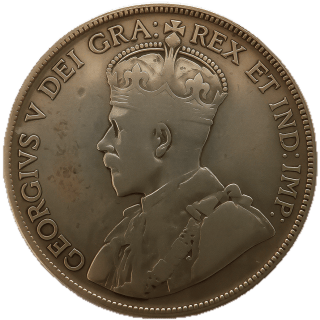 Obverse
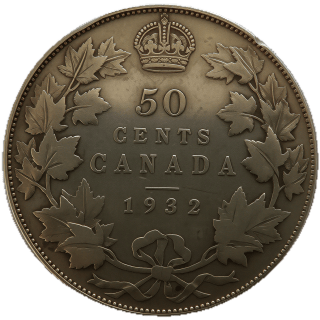 Reverse
Design Features
The obverse of the coin features the effigy of King George V with the inscription "GEORGIVS V DEI GRA: REX ET IND:IMP:" around the perimeter. The reverse bears the denomination "50 CENTS" above "CANADA," showcasing a simple yet elegant design that symbolizes the nation's identity.
Technical Specifications
This 50 cents coin has a weight of 11.66 grams and a diameter of 29.72mm. It is composed of 80% silver, adding to its allure for collectors. The intricate details of the design and the quality of the silver make this coin a remarkable piece of craftsmanship.
Collectible Value
Due to its historical significance and silver content, the Canada 50 cents coin from 1920 to 1936 is highly sought after by collectors. Its market value varies based on factors such as condition, rarity, and demand. Collectors prize these coins for their link to a specific period in Canadian history and their intrinsic value as silver pieces.
Conclusion
In conclusion, the Canada 50 cents coin from the King George V era is a treasure trove of history and artistry. Its intricate design, silver composition, and historical significance make it a valuable addition to any numismatist's collection. Whether for its collectible value or historical importance, this coin stands as a symbol of Canada's rich numismatic heritage.

ScanMyCoin: AI Coin Recognition
Professional AI coin recognition and collection management platform. Identify, learn, and track your coin collection with advanced AI technology and a vast.