

Bundi Bundi 1 rupee, 1768-1800
Description:
1 rupee Bundi 1 rupee, 1768-1800 coin from Bundi. Design, history & value.
Introduction
The Bundi 1 rupee coin minted between 1768 and 1800 holds a significant place in numismatic history. As a product of the princely state of Bundi, this silver coin carries a rich legacy of craftsmanship and cultural heritage.
Historical Background
The princely state of Bundi, located in present-day Rajasthan, India, issued its currency to facilitate trade and commerce within its realm. The Bundi 1 rupee coin served as a symbol of the state's economic prosperity during the late 18th century, showcasing the region's artistic prowess and financial stability.
Coin Images
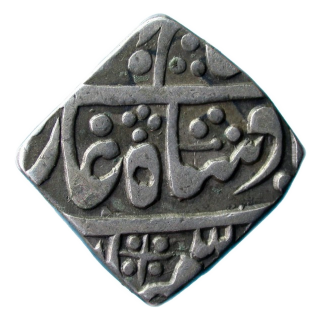 Obverse
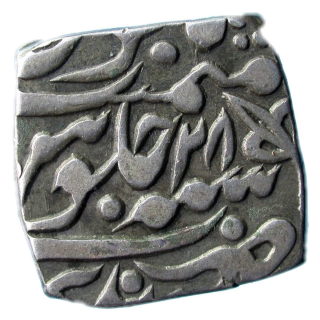 Reverse
Design Features
The obverse of the Bundi 1 rupee coin features a mysterious legend that invites further exploration to uncover its meaning, adding an air of intrigue to this already captivating piece. On the reverse, intricate floral motifs adorn the surface, showcasing the fine artistry and attention to detail characteristic of Bundi coinage.
Technical Specifications
This silver coin weighs 11.20g, making it a substantial piece that reflects the value it held during its circulation period. The composition of silver further adds to its allure, making it a sought-after collectible among numismatists and history enthusiasts alike.
Collectible Value
Due to its historical significance and exquisite design, the Bundi 1 rupee coin holds a high collectible value in the numismatic community. Its rarity and association with the princely state of Bundi make it a prized addition to any coin collection, with its market value reflecting its desirability among collectors.
Conclusion
In conclusion, the Bundi 1 rupee silver coin from 1768-1800 stands as a testament to the artistry and historical importance of the princely state of Bundi. Its intricate designs, quality craftsmanship, and cultural significance make it a valuable piece for both collectors and enthusiasts seeking to delve into the rich numismatic heritage of India.

ScanMyCoin: AI Coin Recognition
Professional AI coin recognition and collection management platform. Identify, learn, and track your coin collection with advanced AI technology and a vast.