

Brunswick-Wolfenbüttel Brunswick-Wolfenbüttel 4 pfennig, 1736-1779
Description:
4 pfennig Brunswick-Wolfenbüttel 4 pfennig, 1736-1779 coin from Brunswick-Wolfenbüttel. Design, history & value.
1. Introduction
The Brunswick-Wolfenbüttel 4 pfennig coin, minted between 1736 and 1779, holds a significant place in numismatic history due to its association with the Principality of Brunswick-Wolfenbüttel. This silver coin showcases intricate designs that reflect the artistry and craftsmanship of the era.
2. Historical Background
The Principality of Brunswick-Wolfenbüttel, a German state, issued the 4 pfennig coin during the 18th century. These coins were part of the local currency system and were used for daily transactions within the principality. The longevity of the coin's minting period indicates its importance in facilitating trade and commerce during that time.
3. Design Features
The obverse of the coin features the letter "C," possibly representing the ruling authority or mintmaster. On the reverse, the inscriptions "F BR LUN / IIII PFEN / LAND MUNTZ" denote the issuing authority and denomination. The design elements are simple yet elegant, typical of coins from this period.
4. Technical Specifications
The Brunswick-Wolfenbüttel 4 pfennig coin has a standard size for its denomination, with a composition of silver (Billon). The weight and precise dimensions may vary slightly based on individual minting variations. Collectors often seek well-preserved examples of this coin to appreciate its technical details.
5. Collectible Value
In the numismatic market, the Brunswick-Wolfenbüttel 4 pfennig coin is sought after by collectors interested in German coinage from the 18th century. Due to its historical significance and limited mintage period, this coin holds both historical and collecting value. Rarity levels may vary, affecting the market value of individual pieces.
6. Conclusion
The Brunswick-Wolfenbüttel 4 pfennig coin from 1736 to 1779 represents a fascinating piece of history from the Principality of Brunswick-Wolfenbüttel. Its unique design, historical significance, and collectible value make it a prized possession for numismatists and coin enthusiasts. By understanding the context in which this coin was minted, collectors can appreciate its role in shaping economic transactions during the 18th century. By following this structured format, you can create an engaging and informative article that caters to both coin collectors and general readers interested in numismatics.
Coin Images
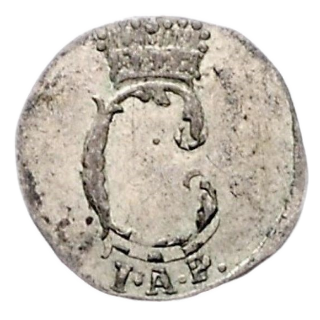 Obverse
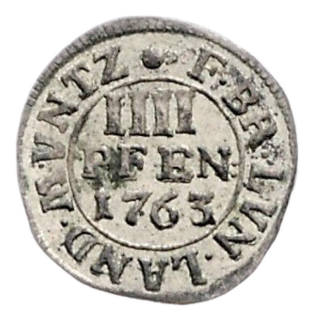 Reverse

ScanMyCoin: AI Coin Recognition
Professional AI coin recognition and collection management platform. Identify, learn, and track your coin collection with advanced AI technology and a vast.