

Brunswick-Wolfenbüttel Brunswick-Wolfenbüttel 1 thaler, 1713-1714
Description:
1 thaler Brunswick-Wolfenbüttel 1 thaler, 1713-1714 coin from Brunswick-Wolfenbüttel. Design, history & value.
Introduction:
The Brunswick-Wolfenbüttel 1 Thaler coin, minted between 1713 and 1714, holds a significant place in numismatic history. This silver coin not only showcases the artistic brilliance of its era but also reflects the political and economic landscape of Brunswick-Wolfenbüttel during that period.
Historical Background:
Issued by the authority of Brunswick-Wolfenbüttel, this 1 Thaler coin was a symbol of the principality's sovereignty and economic stability. During the early 18th century, Brunswick-Wolfenbüttel was a prominent state in the Holy Roman Empire, known for its rich cultural heritage and strategic importance.
Coin Images
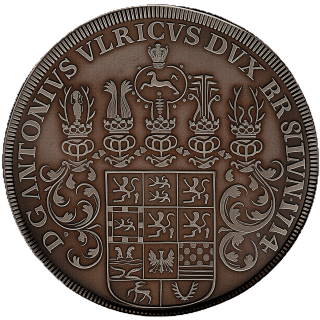 Obverse
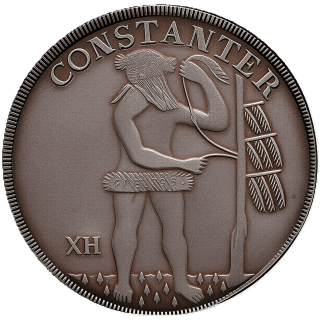 Reverse
Design Features:
The obverse of the coin features the inscription "DG ANTONIUS ULRICUS DUX BR & LUN," highlighting the reigning Duke of Brunswick and Lüneburg at that time. The reverse side simply bears the word "CONSTANTER," symbolizing steadfastness and continuity in governance.
Technical Specifications:
This silver coin weighs 29.00g and has a diameter typical of thalers minted during the early 18th century. The high silver content not only adds to its aesthetic appeal but also contributes to its intrinsic value as a precious metal coin.
Collectible Value:
The Brunswick-Wolfenbüttel 1 Thaler 1713-1714 coin is highly sought after by collectors due to its historical significance and limited mintage. Its rarity and connection to a specific period in Brunswick-Wolfenbüttel's history make it a prized addition to any numismatist's collection. The market value of this coin reflects its desirability among collectors of early modern European coinage.
Conclusion:
In conclusion, the Brunswick-Wolfenbüttel 1 Thaler 1713-1714 silver coin stands as a testament to the rich history and cultural heritage of Brunswick-Wolfenbüttel. Its exquisite design, historical significance, and collectible value make it a valuable piece for both numismatists and history enthusiasts alike. Owning this coin not only adds a rare and beautiful specimen to a collection but also connects collectors to a bygone era of European coinage artistry and political influence.

ScanMyCoin: AI Coin Recognition
Professional AI coin recognition and collection management platform. Identify, learn, and track your coin collection with advanced AI technology and a vast.