

Brunswick-Lüneburg Brunswick-Lüneburg ⅔ thaler, 1685-1688
Posted on: December 2, 2025
keywords: Brunswick-Lüneburg, Brunswick-Lüneburg ⅔ thaler, 1685-1688, ⅔ thaler, coin collecting, numismatics, Brunswick-Lüneburg
Description:
⅔ thaler Brunswick-Lüneburg ⅔ thaler, 1685-1688 coin from Brunswick-Lüneburg. Design, history & value.
- Introduction: The Brunswick-Lüneburg ⅔ Thaler, minted between 1685 and 1688, is a significant silver coin from the Duchy of Brunswick-Lüneburg. This coin holds historical and numismatic importance due to its unique denomination and intricate design elements.
- Historical Background: Issued by the Brunswick-Lüneburg authority, this coin reflects the economic and political landscape of the region during the late 17th century. The ⅔ thaler denomination was a distinctive choice, representing a fractional value of the larger thaler currency commonly used in Europe at the time.
- Design Features: The obverse of the coin features the inscription "ERNESTUS AUGUSTUS D G EP OSN DUX BR ET LUNEB," highlighting the authority of Ernest Augustus, Duke of Brunswick-Lüneburg. On the reverse side, the design includes the fraction "2/3" along with the inscriptions "ANNO," "FEIN SILB," and "SOLA BONA QUAE HONESTA," emphasizing the purity and integrity of the coin's silver content.
- Technical Specifications: This silver coin has specific dimensions and weight typical of thaler coins from that era. The composition of silver ensures its intrinsic value and durability over time, making it a sought-after piece among collectors and enthusiasts.
- Collectible Value: The Brunswick-Lüneburg ⅔ Thaler from the years 1685 to 1688 holds both historical and collectible significance. Its limited mintage and unique denomination contribute to its rarity and desirability among numismatists. The market value of this coin may vary based on its condition, historical context, and demand within the numismatic community.
- Conclusion: In conclusion, the Brunswick-Lüneburg ⅔ Thaler, minted between 1685 and 1688, stands as a testament to the rich numismatic heritage of the Duchy of Brunswick-Lüneburg. With its intricate design, historical significance, and collectible value, this silver coin remains a prized possession for collectors interested in European coinage from the late 17th century.
Coin Images
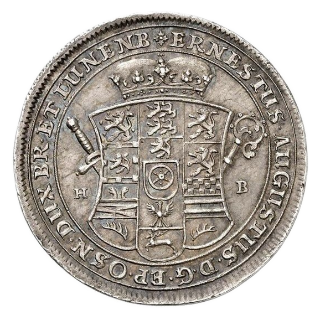 Obverse
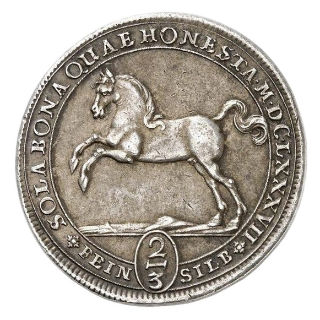 Reverse

ScanMyCoin: AI Coin Recognition
Professional AI coin recognition and collection management platform. Identify, learn, and track your coin collection with advanced AI technology and a vast.