

Brunswick-Lüneburg Brunswick-Lüneburg 1 pfennig, 1694
Description:
1 pfennig Brunswick-Lüneburg 1 pfennig, 1694 coin from Brunswick-Lüneburg. Design, history & value.
Title: Brunswick-Lüneburg 1 Pfennig 1694 Copper Coin - Electorate of Brunswick-Lüneburg Description: Discover the historical significance of the Brunswick-Lüneburg 1 Pfennig 1694 copper coin issued by the Electorate of Brunswick-Lüneburg. Keywords: Brunswick-Lüneburg, 1 Pfennig, 1694, Copper Coin, Electorate, Numismatics, Collectible, Historical Main Content:
Introduction
The Brunswick-Lüneburg 1 Pfennig 1694 coin holds a special place in numismatic history as a representation of the Electorate of Brunswick-Lüneburg's monetary system during the late 17th century. This copper coinage showcases the region's economic and political standing during that era.
Historical Background
The Electorate of Brunswick-Lüneburg, located in present-day Germany, was a significant state within the Holy Roman Empire. The issuance of the 1 Pfennig coin in 1694 was a part of the region's coinage system, reflecting its economic activities and trade relations during the late 17th century.
Coin Images
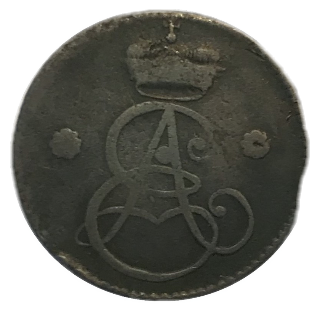 Obverse
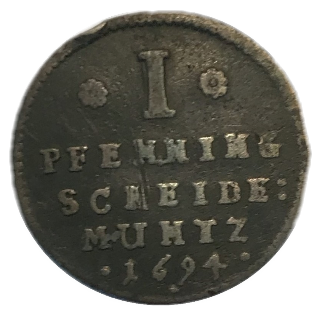 Reverse
Design Features
The obverse of the coin features the initials "EA," representing the issuing authority of Brunswick-Lüneburg. On the reverse side, the inscription "I PFENNING / SCHEIDE MÜNTZ" denotes the denomination of the coin as 1 Pfennig and its role as a circulating currency.
Technical Specifications
This Brunswick-Lüneburg 1 Pfennig 1694 coin is made of copper, weighing 3.00 grams and measuring 20.00mm in diameter. The coin's size and weight were standardized to facilitate trade and transactions within the Electorate of Brunswick-Lüneburg.
Collectible Value
As a coin from the Electorate of Brunswick-Lüneburg, the 1 Pfennig 1694 is highly sought after by collectors interested in German numismatics. Its historical significance, coupled with its rarity, contributes to its collectible value. Depending on its condition and market demand, this coin can fetch a significant price among numismatists.
Conclusion
In conclusion, the Brunswick-Lüneburg 1 Pfennig 1694 copper coin serves as a tangible link to the economic and political landscape of the Electorate of Brunswick-Lüneburg in the late 17th century. Its design, technical specifications, and collectible value make it a valuable addition to any numismatic collection, reflecting the rich history of German coinage during that period.

ScanMyCoin: AI Coin Recognition
Professional AI coin recognition and collection management platform. Identify, learn, and track your coin collection with advanced AI technology and a vast.