

British East Indies British East Indies 1 cent, ND (1805)
Description:
1 cent British East Indies 1 cent, ND (1805) coin from British East Indies. Design, history & value.
British East Indies 1 Cent Coin, ND (1805): Historical Tin Coinage Concise and Exciting Summary: Explore the British East Indies 1 cent coin's unique tin composition and historical significance. Keywords: British East Indies, 1 cent coin, ND (1805), Penang, tin, GL design, coinage history, collectible value Introduction The British East Indies 1 cent coin, minted around 1805 in the region of Penang, stands as a testament to the colonial history and economic influence of the British Empire in Southeast Asia. This coin's tin composition and distinctive GL obverse design make it a fascinating piece for both numismatists and history enthusiasts. Historical Background During the late 18th and early 19th centuries, Penang served as a crucial British trading post in the East Indies, facilitating commerce and trade between Asia and the West. The issuance of the 1 cent coin was part of the British East Indies' efforts to streamline local economies and establish a standardized currency system in the region. Design Features The obverse of the British East Indies 1 cent coin features the abbreviation "GL," possibly denoting the ruling monarch or issuing authority of the time. A simple yet elegant design, the GL motif adds an air of regality to this humble denomination. The reverse side likely bears additional inscriptions or decorative elements that symbolize the coin's monetary value and origin. Technical Specifications This coin boasts a diameter of 30.50mm, making it relatively substantial for a denomination of its time. Crafted from tin, a metal valued for its affordability and corrosion resistance, the British East Indies 1 cent coin showcases the practicality and resourcefulness of colonial coinage efforts. Collectible Value The British East Indies 1 cent coin holds significant historical and numismatic value. Its rarity, coupled with the intriguing blend of British colonial influence and local Asian aesthetics, makes it a prized addition to any coin collection focused on colonial-era numismatics. The market value of this coin reflects its scarcity and historical importance, making it a sought-after piece among collectors. Conclusion In conclusion, the British East Indies 1 cent coin, with its tin composition, GL obverse design, and historical significance, serves as a tangible link to the colonial past of Southeast Asia. As a collectible item, this coin offers both monetary and historical value, making it a noteworthy piece for numismatists and history buffs alike. Embrace the allure of colonial coinage with this remarkable artifact from the British East Indies.
Coin Images
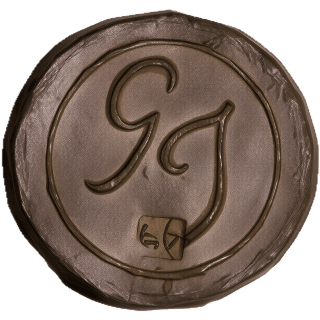 Obverse
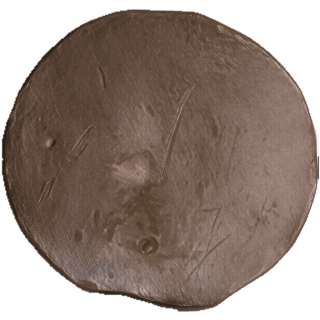 Reverse

ScanMyCoin: AI Coin Recognition
Professional AI coin recognition and collection management platform. Identify, learn, and track your coin collection with advanced AI technology and a vast.