

British East Indies British East Indies 1 cent, ND (1786)
Description:
1 cent British East Indies 1 cent, ND (1786) coin from British East Indies. Design, history & value.
Introduction
The British East Indies 1 cent coin, minted in 1786, holds a special place in numismatic history as a significant artifact from the colonial era. This copper coin offers a glimpse into the trading activities and currency systems of the British East Indies during the late 18th century.
Historical Background
The British East Indies, a colonial territory of the British Empire, encompassed various regions in Southeast Asia, including the island of Penang. The issuance of the 1 cent coin in 1786 was part of the effort to streamline trade and commerce within the colonial territories. This coin played a crucial role in everyday transactions, reflecting the economic dynamics of the era.
Coin Images
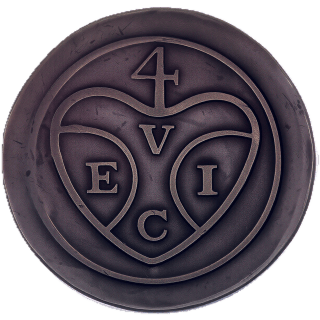 Obverse
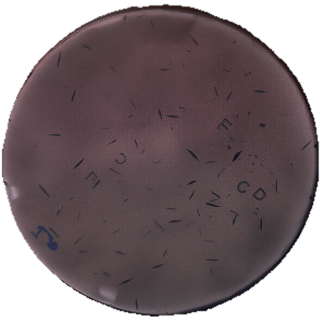 Reverse
Design Features
The obverse of the British East Indies 1 cent coin features the numeral "4" and the acronym "VEIC," representing the East India Company. The simple yet elegant design captures the essence of British colonial influence in the region. On the reverse side, intricate details may include symbols or inscriptions specific to the coin's minting year.
Technical Specifications
This coin has a diameter of 29.00mm and is composed of copper, a common material for circulating currency during that period. The weight and thickness of the coin contribute to its durability and distinctive feel. Understanding the technical specifications provides valuable insights into the production methods and standards of the time.
Collectible Value
The British East Indies 1 cent coin from 1786 is highly sought after by collectors due to its historical significance and limited availability. The market value of this coin can vary based on its condition, rarity, and demand among numismatists. Owning such a piece of history adds depth to any coin collection and serves as a tangible link to the colonial past.
Conclusion
In conclusion, the British East Indies 1 cent copper coin from 1786 stands as a testament to the economic and political landscapes of the colonial era. Its unique design, historical context, and collectible value make it a prized possession for both seasoned collectors and enthusiasts alike. By preserving and appreciating coins like this, we honor the rich history and cultural heritage they represent.

ScanMyCoin: AI Coin Recognition
Professional AI coin recognition and collection management platform. Identify, learn, and track your coin collection with advanced AI technology and a vast.