

British East Africa British East Africa 1 cent, 1949-1952
Description:
1 cent British East Africa 1 cent, 1949-1952 coin from British East Africa. Design, history & value.
British East Africa 1 Cent Coin - History, Design, and Collectibility Concise Description: Explore the British East Africa 1 cent coin's history, design, and collectible value. Keywords: British East Africa, 1 cent coin, bronze, George VI, East Africa, numismatics, collectible coin Introduction The British East Africa 1 cent coin, minted between 1949 and 1952, holds a significant place in the numismatic history of the region. Featuring intricate designs and historical importance, this coin attracts collectors worldwide. Historical Background Issued by British East Africa, this coin circulated during a period of transition in the region's colonial history. The reign of King George VI is emblematic of this era, adding to the coin's historical significance. Design Features The obverse of the coin showcases the portrait of King George VI with the inscription "GEORGIVS SEXTVS REX" and "ONE CENT." On the reverse side, the numeral "1" is inscribed above "EAST AFRICA," encapsulating the coin's connection to the region. Technical Specifications Made of bronze, the British East Africa 1 cent coin weighs 1.70g and has a diameter of 20.30mm. These technical specifications contribute to the coin's physical appeal and durability. Collectible Value Due to its limited mintage period and historical context, the British East Africa 1 cent coin holds a notable collectible value. Collectors seek this coin for its rarity and connection to East African history, making it a prized addition to numismatic collections. Conclusion In conclusion, the British East Africa 1 cent coin stands as a testament to the region's colonial past and numismatic heritage. Its unique design, historical significance, and collectible value make it a cherished item among coin enthusiasts globally. By following this structured format, you can create an SEO-friendly and engaging article that effectively highlights the key aspects of the British East Africa 1 cent coin.
Coin Images
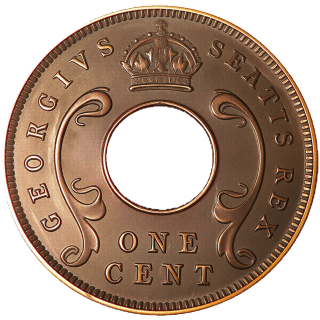 Obverse
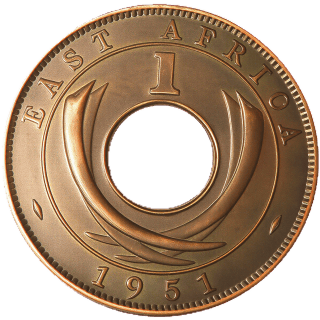 Reverse

ScanMyCoin: AI Coin Recognition
Professional AI coin recognition and collection management platform. Identify, learn, and track your coin collection with advanced AI technology and a vast.