
Bremen-Verden, Duchy under Swedish possession of 1 Thaler - Charles XI
Description:
1 Thaler 1 Thaler - Charles XI coin from Bremen-Verden, Duchy under Swedish possession of. Design, history & value.
[SEO TITLE]: Discover the Rare 1 Thaler Coin of Charles XI from Bremen-Verden [SEO DESCRIPTION]: Uncover the history and rarity of the 1692 1 Thaler from Bremen-Verden. [KEYWORDS]: 1 Thaler, Charles XI, Bremen-Verden, 1692 coin, Swedish possession, silver coin, numismatics
Introduction
The 1 Thaler coin from 1692, struck during the reign of Charles XI, stands as a testament to the historical and numismatic richness of the Bremen-Verden region under Swedish possession. This coin is not just a piece of metal; it is a gateway into the past, offering a glimpse into the economic and political landscape of late 17th century Europe. Collectors and historians alike find immense value in the 1 Thaler, as it embodies both artistic craftsmanship and historical significance.
Historical Background
The 1 Thaler coin was minted in 1692 during a period when Bremen-Verden was under Swedish control. This era was marked by significant political shifts and territorial exchanges in Northern Europe. Charles XI, the King of Sweden, played a pivotal role in consolidating Swedish territories, and the issuance of this coin was part of his broader economic strategy. The Duchy of Bremen-Verden, originally a possession of the Holy Roman Empire, became a Swedish dominion following the Treaty of Westphalia in 1648. The coin not only facilitated trade and commerce but also symbolized Swedish sovereignty in the region.
Coin Images
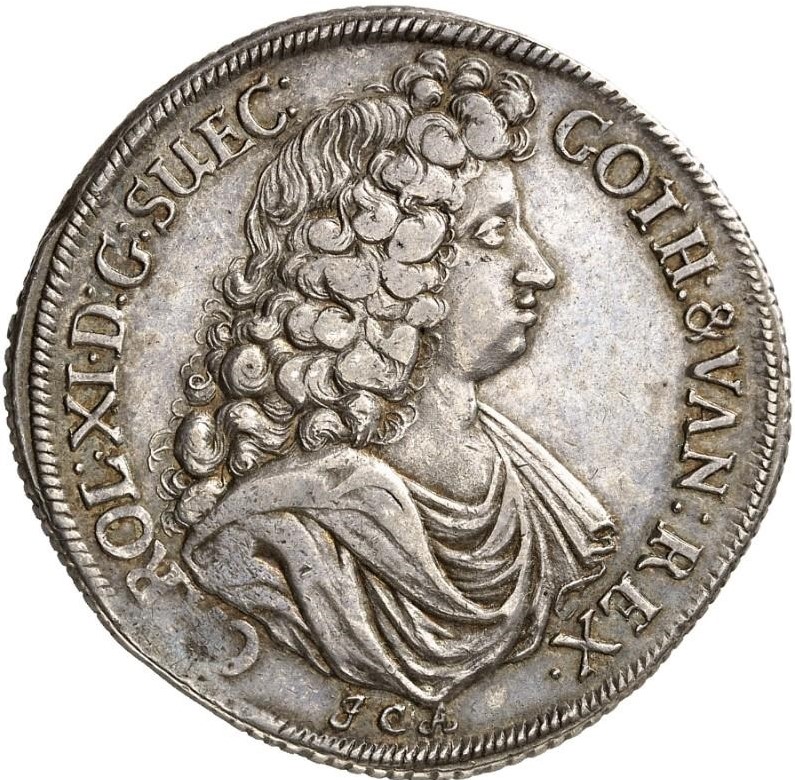 Obverse
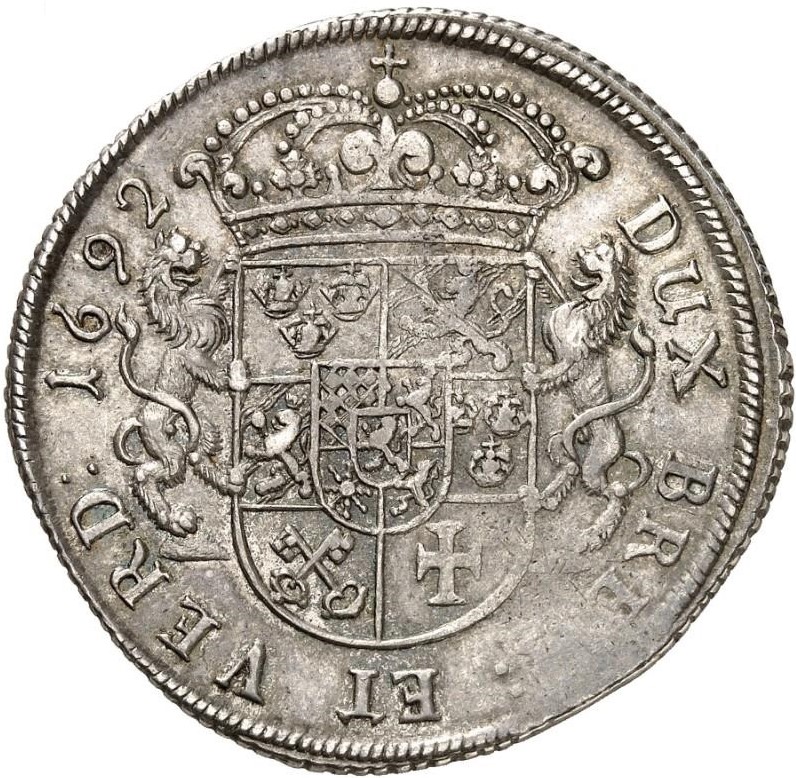 Reverse
Design Features
The 1 Thaler coin's design is a remarkable blend of regal imagery and intricate artistry. On the obverse, the coin features an armored bust of Charles XI facing right, showcasing his military prowess and regal authority. The detailed armor and distinct facial features reflect the artistic skills of the period's engravers. On the reverse, the coin presents crowned and supported arms, a powerful emblem of the Duchy's heraldry. The date, 1692, is elegantly inscribed in the legend, marking its place in numismatic history. The combination of these elements not only highlights the coin's aesthetic appeal but also its role as a propaganda tool for asserting Swedish dominance.
Technical Specifications
The 1 Thaler coin is composed of silver, a common but valued metal for minting during that era. It weighs 29.05 grams, aligning with the standard weight for thalers of the time. The coin's substantial size and weight made it a practical medium for large transactions, reflecting the economic practices of the late 17th century. Its silver composition not only adds to its intrinsic value but also ensures its durability through the ages.
Collectible Value
For numismatists, the 1 Thaler coin from 1692 is a prized possession, largely due to its historical context and limited mintage. Its rarity is amplified by its well-preserved condition, which is crucial for collectors aiming to acquire high-grade examples. The coin's market value can vary significantly based on its condition, provenance, and demand within the numismatic community. As a piece of history, it offers an enriching addition to any collection, representing a unique intersection of Swedish and Germanic influences.
Conclusion
The 1 Thaler coin of Charles XI from 1692 is more than just currency; it is a historical artifact that encapsulates a complex era of European history. Its design, weight, and material speak volumes about the socio-political environment of its time. For collectors and history enthusiasts, this coin is a cherished relic that provides insight into the past, making it an invaluable asset to any numismatic collection. Whether you are an experienced collector or a curious historian, the 1 Thaler of Bremen-Verden offers a tangible connection to the legacy of Charles XI and the Swedish influence in Northern Europe.

ScanMyCoin: AI Coin Recognition
Professional AI coin recognition and collection management platform. Identify, learn, and track your coin collection with advanced AI technology and a vast.