

Brazil Brazil 600 reis, 1752-1768
Description:
600 reis Brazil 600 reis, 1752-1768 coin from Brazil. Design, history & value.
Introduction
The Brazil 600 reis coin minted between 1752 and 1768 during the reign of King Joseph I is a numismatic treasure cherished by collectors worldwide. This silver coin encapsulates the rich history and artistic prowess of Brazil during the colonial period.
Historical Background
Issued by Brazil, the 600 reis coin was a symbol of economic stability and cultural refinement under the rule of King Joseph I. During this era, Brazil flourished politically and economically, leaving a lasting legacy reflected in its coinage.
Coin Images
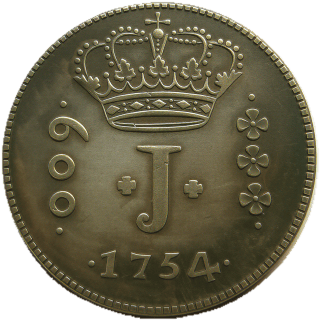 Obverse
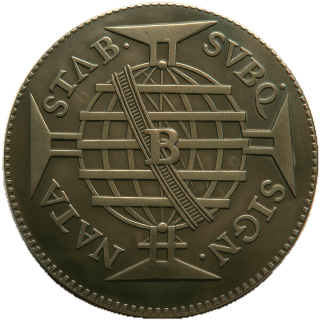 Reverse
Design Features
The obverse of the coin features the numeral "600" above the letter "J," representing King Joseph I. On the reverse, the inscription "SIGN NATA STAB SVBQ" adds to the coin's mystique, possibly alluding to historical events or royal symbols of the time.
Technical Specifications
Weighing 18.12 grams and composed of 91.7% silver, the Brazil 600 reis coin boasts a substantial size and precious metal content. Its intricate design and well-preserved details make it a sought-after piece among collectors.
Collectible Value
Due to its historical significance and limited mintage period, the Brazil 600 reis coin holds considerable value in the numismatic world. Collectors prize this coin for its rarity, design intricacy, and connection to a pivotal period in Brazilian history.
Conclusion
In conclusion, the Brazil 600 reis silver coin from the reign of King Joseph I stands as a testament to Brazil's numismatic heritage and royal legacy. Its exquisite design, historical significance, and collectible value make it a prized possession for both seasoned collectors and history enthusiasts alike. This SEO-optimized article provides a comprehensive overview of the Brazil 600 reis silver coin, shedding light on its unique features and cultural importance during the King Joseph I era.

ScanMyCoin: AI Coin Recognition
Professional AI coin recognition and collection management platform. Identify, learn, and track your coin collection with advanced AI technology and a vast.