

Brazil Brazil 320 reis, 1754-1771
Description:
320 reis Brazil 320 reis, 1754-1771 coin from Brazil. Design, history & value.
1. Introduction
The Brazil 320 reis coin, struck between 1754 and 1771, holds a significant place in numismatic history due to its unique counterstamped design and historical importance. This silver coin is a testament to the rich cultural and economic heritage of Brazil during the 18th century.
2. Historical Background
Issued by Brazil, the 320 reis coin was part of the counterstamped coinage era that lasted from 1693 to 1803. During this period, coins were countermarked to validate their authenticity and adjust their value to meet the economic needs of the time. The Brazil 320 reis coin played a crucial role in facilitating trade and commerce in the region.
3. Design Features
The obverse of the Brazil 320 reis coin features the denomination "300" and the letter "J", while the reverse bears the inscription "SIGN NATA STAB SUBQ". The intricate designs on both sides showcase the craftsmanship of the minters and the attention to detail characteristic of coins from this era.
4. Technical Specifications
This silver coin weighs 9.06 grams and has a diameter of 30.00mm. With a silver composition of 0.917, the Brazil 320 reis coin exemplifies the quality and purity of coins minted during the 18th century.
5. Collectible Value
The Brazil 320 reis coin is highly sought after by collectors due to its historical significance and unique counterstamped design. Its market value varies based on factors such as condition, rarity, and demand among collectors. As a rare piece of Brazilian numismatic history, this coin holds both monetary and historical value.
6. Conclusion
In conclusion, the Brazil 320 reis silver coin minted between 1754 and 1771 stands as a symbol of Brazil's rich numismatic heritage. With its intricate design, historical significance, and collectible value, this coin is a prized possession for numismatists and a fascinating piece of history for all who appreciate the art of coinage.
Coin Images
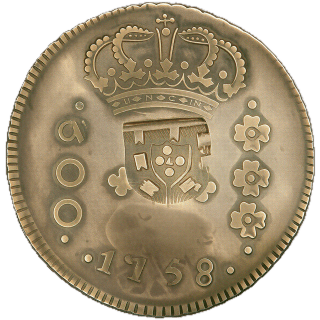 Obverse
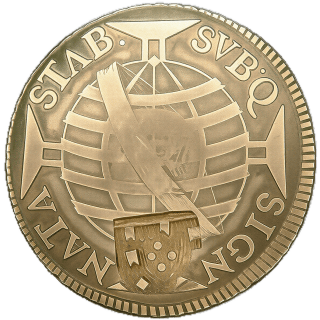 Reverse

ScanMyCoin: AI Coin Recognition
Professional AI coin recognition and collection management platform. Identify, learn, and track your coin collection with advanced AI technology and a vast.