

Brazil Brazil 160 reis, 1824-1826
Description:
160 reis Brazil 160 reis, 1824-1826 coin from Brazil. Design, history & value.
1. Introduction
The Brazil 160 reis coin minted between 1824-1826 during the reign of Emperor Pedro I holds a significant place in Brazilian numismatic history. This silver coin showcases intricate designs and historical importance that captivate collectors worldwide.
2. Historical Background
Issued by Brazil, this coin reflects the transitional period in Brazilian history when Emperor Pedro I ruled from 1823 to 1831. Pedro I played a crucial role in declaring Brazil's independence from Portugal in 1822, making this coin a symbol of Brazil's newfound sovereignty.
3. Design Features
The obverse of the coin bears the inscription "160 / PETRUS.I.D.G.CONST.IMPET.PERP.BRAS.DEF," highlighting Pedro I's title and Brazil's defense. On the reverse side, the Latin phrase "IN HOC SIGNO VINCES" is featured, translating to "In this sign, you will conquer."
4. Technical Specifications
This Brazil 160 reis coin weighs 4.48g with a diameter of 25.00mm, crafted from silver with a purity of 0.917. The intricate engravings on the coin's surface showcase the skilled craftsmanship of the minting process during that era.
5. Collectible Value
Due to its historical significance and limited mintage period, the Brazil 160 reis coin holds substantial collectible value among numismatists. Its rarity and connection to Emperor Pedro I's reign contribute to its desirability among coin collectors and enthusiasts.
6. Conclusion
In conclusion, the Brazil 160 reis coin from 1824-1826 serves as a remarkable numismatic piece that embodies Brazil's independence era under Emperor Pedro I. Its exquisite design, historical significance, and collectible value make it a prized possession for those passionate about Brazilian numismatics. By delving into the intricate details and historical context of the Brazil 160 reis coin, collectors can appreciate its unique value and the rich history it represents in the numismatic world.
Coin Images
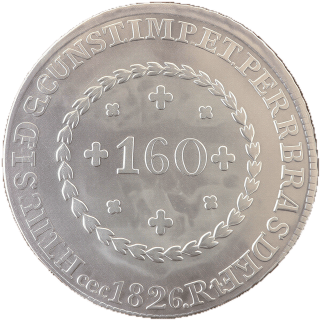 Obverse
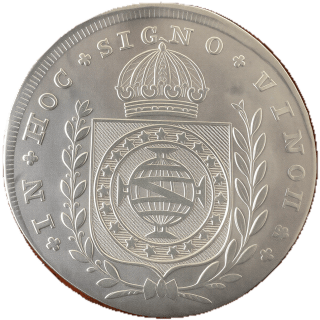 Reverse

ScanMyCoin: AI Coin Recognition
Professional AI coin recognition and collection management platform. Identify, learn, and track your coin collection with advanced AI technology and a vast.