

Brandenburg-Prussia Brandenburg-Prussia 2 pfennig, 1690-1700
Description:
2 pfennig Brandenburg-Prussia 2 pfennig, 1690-1700 coin from Brandenburg-Prussia. Design, history & value.
1. Introduction
The Brandenburg-Prussia 2 pfennig coin, struck between 1690 and 1700, under the reign of Frederick III, holds a significant place in numismatic history. This silver coin reflects the economic and political landscape of Brandenburg-Prussia during that era, making it a prized possession for collectors and enthusiasts alike.
2. Historical Background
Brandenburg-Prussia, a powerful German state, was known for its innovative coinage practices. The 2 pfennig coin was a crucial denomination in daily transactions and trade during Frederick III's rule. The coin not only served as a means of exchange but also symbolized the authority and stability of the Brandenburg-Prussian state.
3. Design Features
The obverse of the coin showcases the intricate coat of arms of Brandenburg-Prussia, adorned with crowns symbolizing royalty and power. On the reverse, the inscription "II PF BR / LANDT MVNZ" signifies the denomination and issuing authority, adding to the coin's historical appeal.
4. Technical Specifications
This 2 pfennig coin measures [insert size], weighs [insert weight], and is crafted from pure silver, exemplifying the quality and craftsmanship of the minting process during Frederick III's reign. The precise specifications contribute to the coin's durability and value.
5. Collectible Value
Due to its historical significance and limited mintage period, the Brandenburg-Prussia 2 pfennig coin from the Frederick III era holds substantial collectible value. Numismatists and collectors seek out this coin for its rarity, design intricacies, and connection to a pivotal period in German history. Market demand and auction prices often reflect the coin's esteemed status among numismatic circles.
6. Conclusion
In conclusion, the Brandenburg-Prussia 2 pfennig coin minted between 1690 and 1700 under Frederick III's reign stands as a remarkable numismatic treasure. Its blend of historical importance, exquisite design, and collectible value make it a coveted addition to any coin collection. By owning this coin, enthusiasts can hold a piece of Brandenburg-Prussian history and appreciate the artistry of early modern European coinage. By following this structured approach, you can create an informative and engaging article that resonates with both seasoned numismatists and curious readers interested in the world of coin collecting.
Coin Images
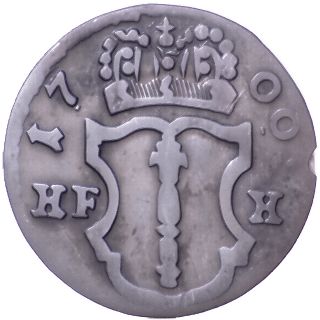 Obverse
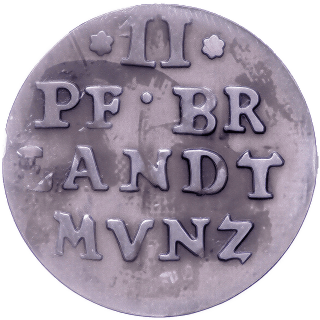 Reverse

ScanMyCoin: AI Coin Recognition
Professional AI coin recognition and collection management platform. Identify, learn, and track your coin collection with advanced AI technology and a vast.