

Bologna Bologna 1 doppia, 1778-1785
Description:
1 doppia Bologna 1 doppia, 1778-1785 coin from Bologna. Design, history & value.
Introduction
The Bologna 1 doppia gold coin minted between 1778 and 1785 holds a special place in the world of numismatics. Issued in Bologna, this coin stands out for its unique design and historical significance, making it a coveted piece among collectors worldwide.
Historical Background
During the late 18th century, Bologna, a prominent city in Italy, issued the 1 doppia gold coin under the authority of the Bologna mint. This period was marked by the rule of Pope Pius VI, whose name is inscribed on the obverse side of the coin as "PIVS VI PONT MAXIM." The coin circulated during a time of political and economic changes, adding to its historical importance.
Coin Images
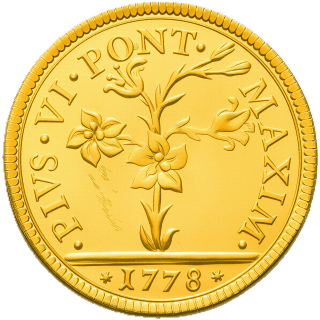 Obverse
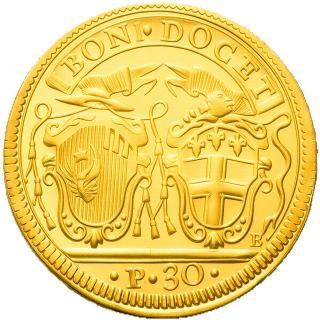 Reverse
Design Features
The obverse of the Bologna 1 doppia coin features the Latin inscription "PIVS VI PONT MAXIM," referring to Pope Pius VI as the Supreme Pontiff. The reverse side showcases the phrase "BON DOCET" along with the value "P 30," denoting its worth. The intricate detailing and craftsmanship of the designs reflect the artistry of the period.
Technical Specifications
This gold coin weighs 5.47 grams and is composed of 91.7% pure gold (0.917 fineness). With a denomination of 1 doppia, it falls under the category of Italian scudo coins minted between 1702 and 1797. The coin's size and weight make it a notable addition to any numismatic collection.
Collectible Value
The Bologna 1 doppia gold coin from 1778-1785 carries significant collectible value due to its rarity and historical context. Its association with Pope Pius VI and the city of Bologna adds to its appeal among collectors of Italian coins. The limited mintage period further enhances its desirability, making it a prized possession for numismatists.
Conclusion
In conclusion, the Bologna 1 doppia gold coin is not just a piece of currency but a symbol of Italian history and numismatic artistry. Its exquisite design, historical significance, and collectible value make it a must-have for any serious collector. Owning this coin is owning a piece of the past, encapsulating the richness of Italian heritage and the art of coinage during the late 18th century.

ScanMyCoin: AI Coin Recognition
Professional AI coin recognition and collection management platform. Identify, learn, and track your coin collection with advanced AI technology and a vast.