

Bolivia Bolivia ½ real, 1596-1618
Description:
½ real Bolivia ½ real, 1596-1618 coin from Bolivia. Design, history & value.
1. Introduction
The Bolivia ½ real coin minted between 1596 and 1618 holds a significant place in numismatic history. As part of the Spanish Colonia cob coinage, this silver coin reflects the colonial era's economic and political dynamics. Its unique design and historical context make it a sought-after piece for collectors worldwide.
2. Historical Background
Issued by Bolivia during the reign of Philip III, the coin played a crucial role in facilitating trade and commerce in the Spanish colonies. The ½ real denomination was a commonly used small silver coin for everyday transactions, emphasizing its practical importance during that period. The coin's circulation spanned over two decades, witnessing various historical events and societal changes.
3. Design Features
The obverse of the Bolivia ½ real coin features the inscription "P / PHILIPPVS III D G," indicating Philip III as the ruler by the grace of God. The reverse displays a simple yet striking cross design, symbolizing the influence of Christianity in the Spanish colonies. The crude appearance of cob coinage adds to its charm, reflecting the imperfect minting techniques of that era.
4. Technical Specifications
This coin weighs 1.75 grams and has a diameter of 17.00mm, making it a small and lightweight denomination typical of fractional silver coins. With a silver fineness of 0.931, it ensured a certain level of purity in its composition, maintaining its intrinsic value as a precious metal coin.
5. Collectible Value
Due to its historical significance and limited mintage period, the Bolivia ½ real coin from 1596-1618 holds considerable collectible value. Collectors often seek out this piece to add to their collections, appreciating its connection to the colonial past and the artistry of early minting techniques. Its rarity and demand in the numismatic market contribute to its increasing value over time.
6. Conclusion
In conclusion, the Bolivia ½ real silver coin minted between 1596 and 1618 stands as a tangible link to the colonial history of Bolivia and the wider Spanish empire. Its unique design, historical context, and collectible value make it a prized possession for coin enthusiasts and historians alike. By preserving this piece of the past, we continue to appreciate the cultural and economic legacy it represents.
Coin Images
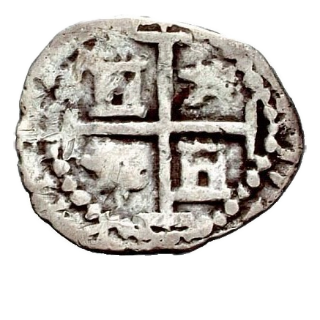 Obverse
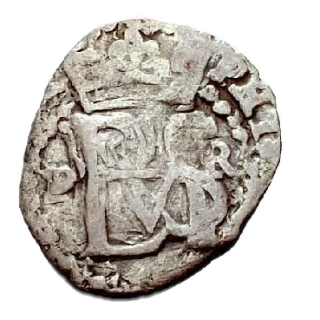 Reverse

ScanMyCoin: AI Coin Recognition
Professional AI coin recognition and collection management platform. Identify, learn, and track your coin collection with advanced AI technology and a vast.