

Bolivia Bolivia 20 centavos, 1909
Description:
20 centavos Bolivia 20 centavos, 1909 coin from Bolivia. Design, history & value.
Introduction
The Bolivia 20 centavos 1909 coin holds a special place in the world of numismatics due to its historical significance and exquisite design. Minted in 1909 in Bolivia, this coin is a true representation of the rich cultural and economic heritage of the Republic of Bolivia.
Historical Background
Issued by the Bolivian government in 1909, this coin was part of a series minted during the period of the Republic of Bolivia (1870-1963). Bolivia, known for its silver mining industry, used silver as a standard for its coinage, making coins like the 20 centavos a vital part of the country's economy.
Coin Images
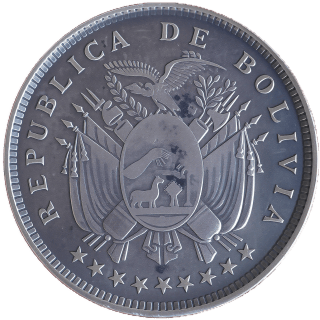 Obverse
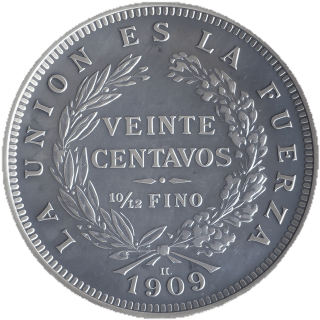 Reverse
Design Features
The obverse of the coin features the inscription "REPUBLICA DE BOLIVIA," symbolizing the country's sovereignty and national pride. On the reverse side, the coin showcases the denomination "VEINTE CENTAVOS" along with the purity "10/12 FINO" and the motto "LA UNION ES LA FUERZA" (Unity is Strength), reflecting Bolivia's ethos.
Technical Specifications
This silver coin has a composition of 0.835 fine silver, weighing 4.00 grams with a diameter of 22.50mm. The meticulous craftsmanship and attention to detail in the design make this coin a standout piece in any numismatic collection.
Collectible Value
The Bolivia 20 centavos 1909 coin is highly sought after by collectors due to its rarity and historical significance. Its silver content and unique design add to its collectible value, making it a prized possession for numismatists worldwide. The market value of this coin continues to appreciate, especially among collectors interested in Bolivian numismatics.
Conclusion
In conclusion, the Bolivia 20 centavos 1909 silver coin is a testament to Bolivia's numismatic heritage and serves as a valuable piece of history for collectors. Its intricate design, historical importance, and collectible value make it a must-have for anyone passionate about rare coins and the Republic of Bolivia's numismatic legacy. Acquiring this coin not only adds a unique piece to a collection but also preserves a slice of Bolivian history for generations to come.

ScanMyCoin: AI Coin Recognition
Professional AI coin recognition and collection management platform. Identify, learn, and track your coin collection with advanced AI technology and a vast.