

Bhutan Bhutan ½ rupee, ND (1910)
Description:
½ rupee Bhutan ½ rupee, ND (1910) coin from Bhutan. Design, history & value.
Introduction
The Bhutan ½ rupee coin, minted in 1910, stands out as a prized artifact from the Kingdom of Bhutan's numismatic legacy. This silver coin encapsulates a fascinating blend of historical significance, intricate design, and collector's allure.
Historical Background
Issued by the Bhutanese authority in the early 20th century, this coin reflects a pivotal era in Bhutan's monetary history. During this time, the Kingdom of Bhutan was transitioning politically and economically, making coins like the ½ rupee crucial for trade and commerce within the region.
Coin Images
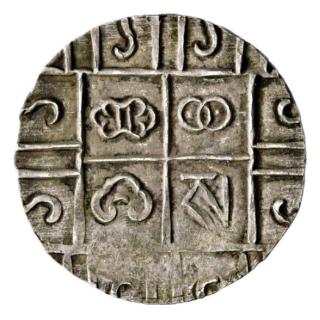 Obverse
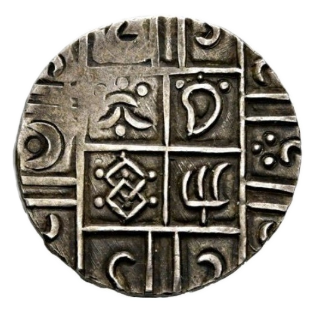 Reverse
Design Features
The obverse of the Bhutan ½ rupee coin showcases a mysterious legend yet to be fully deciphered. The reverse side also features an enigmatic inscription that invites further exploration and interpretation by numismatists and historians. The overall design is expected to embody traditional Bhutanese motifs and symbols, reflecting the kingdom's rich cultural heritage.
Technical Specifications
This coin, crafted in silver, boasts a standard weight and size typical of coins from that period. The precise specifications, including diameter, weight, and composition, contribute to its authenticity and numismatic value.
Collectible Value
The Bhutan ½ rupee silver coin from 1910 holds significant collectible value due to its rarity and historical context. Numismatists and collectors prize such coins for their scarcity and the insights they offer into Bhutan's past. The market value of this coin may vary based on its condition, historical importance, and demand among collectors.
Conclusion
In conclusion, the Bhutan ½ rupee silver coin of 1910 serves as a tangible link to the Kingdom of Bhutan's numismatic heritage. Its unique design, historical significance, and collectible value make it a prized possession for both numismatists and enthusiasts of Bhutanese history. Owning this coin not only adds a valuable piece to a collection but also connects one to a bygone era of Bhutan's rich cultural and economic tapestry.

ScanMyCoin: AI Coin Recognition
Professional AI coin recognition and collection management platform. Identify, learn, and track your coin collection with advanced AI technology and a vast.