

Bhutan Bhutan ½ rupee, ND (1835)
Description:
½ rupee Bhutan ½ rupee, ND (1835) coin from Bhutan. Design, history & value.
1. Introduction
The Bhutan ½ Rupee coin from 1835 holds a significant place in numismatic history, representing the Kingdom of Bhutan during a crucial period. This copper coin offers a glimpse into the rich heritage and cultural legacy of the region.
2. Historical Background
Issued by Bhutan in the early 19th century, the ½ Rupee coin reflects the economic and political landscape of the Kingdom of Bhutan between 1790 and 1927. During this era, Bhutan maintained its independence and unique identity amidst neighboring influences.
3. Design Features
The obverse of the coin showcases a legend that requires further research to decipher, highlighting a mysterious aspect that intrigues collectors. On the reverse, another enigmatic legend adds to the allure of this historical artifact. The intricate designs on both sides symbolize the artistic craftsmanship of the time.
4. Technical Specifications
Weighing 4.03g and measuring 22.00mm in diameter, the Bhutan ½ Rupee coin is composed of copper. These technical details provide valuable insights for collectors and enthusiasts interested in the physical attributes of the coin.
5. Collectible Value
Due to its historical significance and limited mintage, the Bhutan ½ Rupee 1835 coin holds a notable place in numismatic circles. Collectors prize this coin for its rarity and connection to Bhutanese history, making it a sought-after addition to coin collections worldwide.
6. Conclusion
In conclusion, the Bhutan ½ Rupee 1835 coin serves as a tangible link to Bhutan's past, offering a tangible connection to a bygone era. Its unique design, historical context, and collectible value make it a prized possession for numismatists and history enthusiasts alike. By exploring the Bhutan ½ Rupee 1835 coin, collectors can appreciate the artistry, history, and cultural significance encapsulated within this small but valuable piece of numismatic heritage.
Coin Images
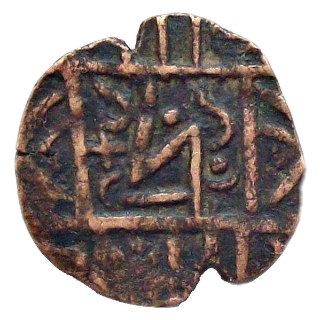 Obverse
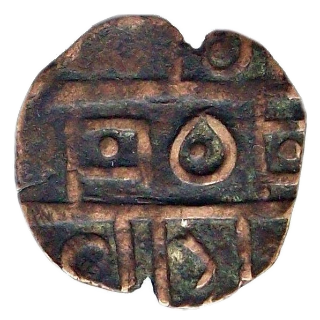 Reverse

ScanMyCoin: AI Coin Recognition
Professional AI coin recognition and collection management platform. Identify, learn, and track your coin collection with advanced AI technology and a vast.