

Berg Berg ½ stüber, 1802-1805
Posted on: December 2, 2025
keywords: Berg, Berg ½ stüber, 1802-1805, ½ stüber, coin collecting, numismatics, Berg
Description:
½ stüber Berg ½ stüber, 1802-1805 coin from Berg. Design, history & value.
- Introduction: The Berg ½ stüber coin, minted from 1802 to 1805, holds a significant place in numismatic history. As a representation of the Duchy of Berg's monetary system during its brief existence, this copper coinage showcases intricate designs and historical importance that captivate collectors worldwide.
- Historical Background: The Duchy of Berg, located in present-day Germany, issued its own coinage under the rule of Napoleon Bonaparte's brother-in-law, Joachim Murat. The ½ stüber denomination was part of a series of coins minted to facilitate trade and commerce within the duchy during the early 19th century.
- Design Features: The obverse of the coin features the inscription "BERGISCHE LANDMUNZ," highlighting its origin. On the reverse, the denomination "½ STUBER" is prominently displayed. These inscriptions are surrounded by ornate patterns and symbols that reflect the artistic style of the time.
- Technical Specifications:
- Composition: Copper
- Weight: 4.73g
- Diameter: 27.00mm
- Issuing Authority: Berg
- Category: Duchy of Berg (1801 - 1806)
- Collectible Value: Due to its historical significance and limited mintage, the Berg ½ stüber coin is highly sought after by collectors. Its rarity and connection to a specific time period make it a valuable addition to any numismatic collection. The market value of these coins can vary based on condition and demand, with well-preserved specimens commanding higher prices.
- Conclusion: In conclusion, the Berg ½ stüber copper coin from 1802-1805 is not just a piece of currency but a tangible link to a bygone era. Its intricate design, historical context, and collectible value make it a prized possession for numismatists and history enthusiasts alike. By owning this coin, one can hold a piece of the Duchy of Berg's legacy in their hands, appreciating its beauty and significance for years to come.
Coin Images
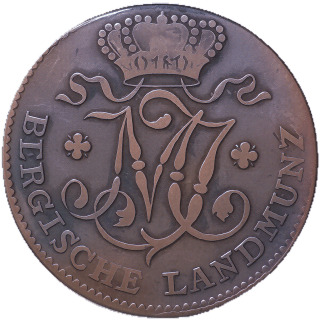 Obverse
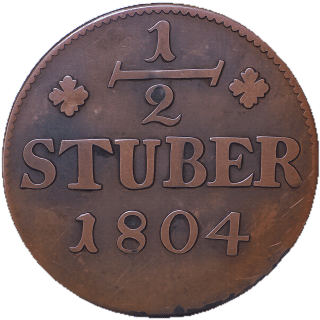 Reverse

ScanMyCoin: AI Coin Recognition
Professional AI coin recognition and collection management platform. Identify, learn, and track your coin collection with advanced AI technology and a vast.