

Bavaria Bavaria ½ carolin, 1726-1731
Description:
½ carolin Bavaria ½ carolin, 1726-1731 coin from Bavaria. Design, history & value.
Introduction
The Bavaria ½ carolin gold coin minted between 1726-1731 is a numismatic treasure that offers a glimpse into the rich history of the Electorate of Bavaria. This coin, with its intricate design and historical significance, holds a special place in the world of coin collecting.
Historical Background
During the early 18th century, Bavaria was a prominent political entity in the Holy Roman Empire. The issuance of the ½ carolin coin was a reflection of Bavaria's economic strength and political stability during this period. These coins were used in everyday transactions and also served as a symbol of Bavarian authority.
Coin Images
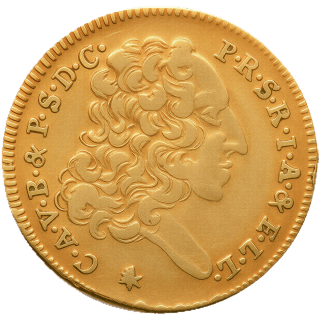 Obverse
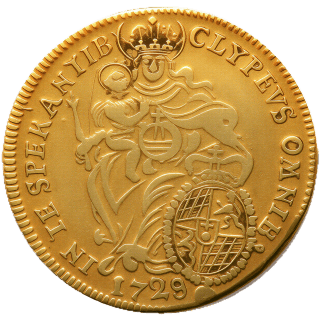 Reverse
Design Features
The obverse of the Bavaria ½ carolin coin features the initials "C A D G V B & P S D C P R S R I A & E L L" encircling the central design. On the reverse, the Latin inscription "CLYPEVS OMNIB IN TE SPERANTIB" is prominently displayed. The intricate details on both sides showcase the skilled craftsmanship of the minting process during that era.
Technical Specifications
- Denomination: ½ carolin
- Country/Issuer: Bavaria
- Issuing Authority: Bavaria
- Composition: Gold
- Weight: 4.85g
- Diameter: 22.00mm
Collectible Value
The Bavaria ½ carolin gold coin is highly sought after by collectors due to its historical significance and limited mintage. Its gold composition adds to its intrinsic value, making it a prized possession for numismatists. The rarity of this coin, coupled with its exquisite design, contributes to its premium collectible status in the numismatic market.
Conclusion
In conclusion, the Bavaria ½ carolin gold coin from 1726-1731 is a remarkable piece of history that captures the essence of Bavaria's past. Its unique design, historical significance, and collectible value make it a coveted addition to any coin collection. Owning this coin not only offers a tangible connection to the past but also serves as a testament to the artistry and craftsmanship of the minting traditions of Bavaria.

ScanMyCoin: AI Coin Recognition
Professional AI coin recognition and collection management platform. Identify, learn, and track your coin collection with advanced AI technology and a vast.